
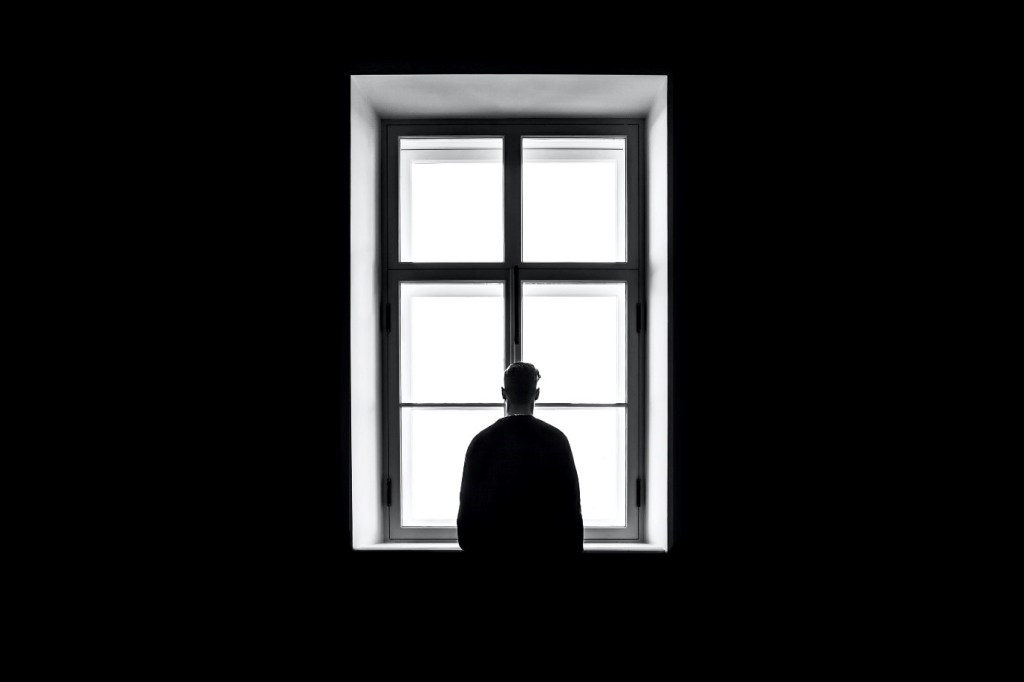
R U OK? Day is one of many days that has great intentions, but how does it look in practice for those with mental health issues? (Image: Sasha Freemind)
By Sophie Holder | @SophieHolder26
I cried nearly the whole drive home today. It’s the way I often find myself spending R U OK? Day.
I could feel it brewing for a few days. I have been tired. I have been irritable. I have not been able to concentrate on uni or work. I have had to drag myself out of bed.
Today, I told everyone I was tired. It is true, I guess. I am tired of life.
I made a mistake at my internship. I made a spelling error repeatedly. Well, I forgot to add a space between two words that needed it – it’s park lands by the way, not parklands. I noticed and I fixed it, but I uploaded the document that had the errors in it. My editor called me out (understandably), which left me stammering, trying to explain what happened without it sounding like a lie.
I left at the end of the day and held myself together until the lift, where I felt those familiar tendrils curl around my lungs, my heart, my stomach and lastly my tear ducts.
I called Mum in the car, hoping it would help. I tried to explain the exhaustion I felt, blaming work, uni and volunteer efforts. It didn’t help. And I missed my turn. I drove home in tears before walking straight to my room upon arrival.
I headed to the fridge, hoping some food might help.
“Have you ever considered it might be hay fever?” my mum asked.
“Well, I’m sniffling because I’ve been crying,” I answered. “But sure, it might be.”
“Oh.”
“Yeah.”
“Everything ok?”
I’m tired, I explain again. Which is true, but it’s only the half-truth, again. I am exhausted. I was sick last week, really sick. I had my period too. I’m learning and adjusting to 9-5 hours and finishing my fifth year of uni. I’m tired, but this isn’t just tired.
I’ve felt this feeling before, many, many times. Less often, since I started taking anti-depressants a year ago, but I am still no stranger to the feeling.
I was diagnosed with depression, anxiety and OCD at 17. I can pinpoint almost exactly the first time I started to feel depressed: I was 12 and starting high school. It’s been a constant in my life since. Anxiety too.
I think I must have always been a nervous kid, but I remember the first time I had a panic attack. I was sleeping at a friend’s house, and I remember crying inconsolably for almost no reason, being so unsure of why I felt the way I did. I remember my friend’s mum trying to help me relax with orange oil on my pillow. I remember my own mum having to pick me up in the middle of the night. I remember this sparked my constant unwillingness to sleep at people’s houses well into adulthood.
I spent many years suffering quietly, until I was 17 and finally started to share.
R U OK? Day used to make me angry. I remember sitting in chapel in high school and getting the spiel about how “it’s ok not to be ok” and the importance of asking the question. Then it began. The rest of the day was a chorus of “are you ok?” and “are you ok?” being jokingly thrown around classrooms and school yards. I remember every year being frustrated that an important day was trivialised by young adults who were old enough to know the importance of mental health, but still young enough to still take the piss out of a teacher banging on about something to us.
You know the adage that your high school bully always seems to become a nurse? R U OK? Day makes me feel a similar way. All of the people who joked so vocally are now the ones shouting on Instagram about the importance of mental health. Sure, we grow up and we know better (most of us at least), but it made me unbelievably mad for a while.
R U OK? isn’t just about Instagram activism. Notice if someone is MIA in the group chat lately; message them and check in. Notice if your uni mate seems a little blasé or extra stressed about an upcoming assignment, and start a conversation. Notice if you haven’t heard from your friend in a while; invite them for coffee, even if you’re kind of mad they haven’t reached out. Notice if your colleague has made a few mistakes recently and ask if there is a reason why.
It’s incredibly easy to go about your day and forget to take notice of the small changes in the people around you. But it can be so important to notice, reach out and have a conversation, whether it’s them or you that might be struggling.
And please remember, R U OK? Day isn’t just for those who have mental illness. Everyone can feel anxious, depressed, or overwhelmed – it’s not gatekept to those with a diagnosis or disorder. Check in on your mates, ask them if they’re going ok, in whatever way feels best to you.
Most importantly, talk to your friends, your partner, your parents, your employer, your lecturer, anybody you feel comfortable talking to, if you notice you’re feeling off. Get onto it quick – no feeling is too small to have a conversation about, and it’s much easier to have a small conversation than a massive one. Either way, it’s worth talking.
If you would like to speak to a professional, please contact Beyond Blue (1300 224 636), Lifeline (13 11 14) or Headspace. UniSA also provides a free and confidential counselling service.
 ontherecordunisa.com