
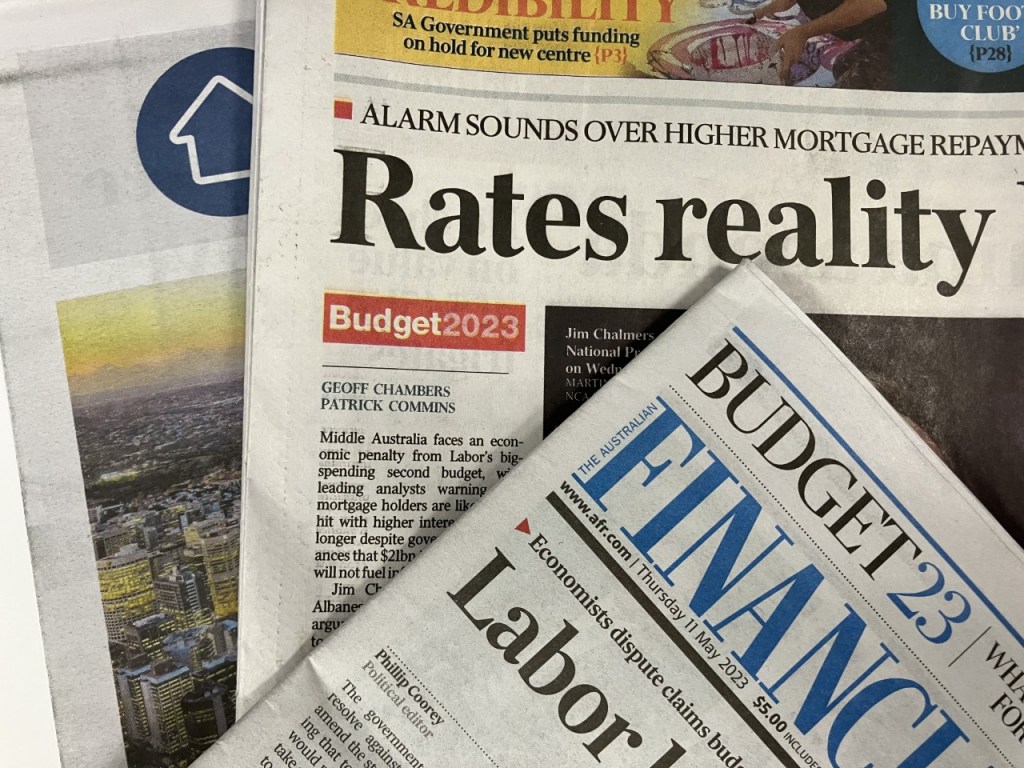
Federal Treasurer Jim Chalmers has handed down his second budget aimed at striking a balance between “responsible and affordable” amid rising living costs, but what’s in it for young people? (Image: Chrisanthi Giotis)
By Jordan White | @JordanWhite
Federal Treasurer Jim Chalmers has handed down his second budget aimed at striking a balance between “responsible and affordable” amid rising living costs, but what’s in it for young people?
The budget’s centerpiece is a $14.6 billion cost-of-living relief package that aims to deliver “targeted relief” with lower power bills, more houses, and increases to welfare and Medicare.
Big-ticket items include $1.5 billion for energy bill relief, $3.5 billion to expand bulk billing and take pressure off a struggling Medicare system, and a $40 fortnightly increase to JobSeeker payments.
There is also an extra $355 million for national parks and marine reserves, including $172 million for two new federal environmental agencies.
Elsewhere, funding is provided for international student visa and superannuation payment changes and a push to stop recreational vaping in the coming years.
A budget surplus of $4.2 billion — the first in 15 years — is forecast for the 22-23 financial year thanks to better-than-expected revenue caused by high commodity prices and low unemployment.
Here’s everything you need to know about what’s in the 23-24 federal budget for young people.
The 2023-24 budget for young people in a nutshell
- JobSeeker, Austudy and Youth Allowance will increase by $40 a fortnight from September 20
- Increases of up to $15 a week for rent assistance at a cost of $2.7 billion over three years.
- $1.5 billion for electricity bill relief of up to $500 for low-income earners in the form of a bill subsidy
- International students won’t be able to work more than 24 hours a week
- Superannuation will need to be paid on pay dates, boosting retirement for young people
- No changes to HECS-HELP indexation
Increase to Rent Assistance, Austudy, Youth Allowance, and JobSeeker
Centrelink payments including JobSeeker, Youth Allowance, and Austudy will rise by $40 a week / $2.80 a day from 20 September this year.
The maximum Rent Assistance payment will increase by 15 per cent, or $31 a fortnight, helping about 1 million households.
The increases come following calls — including from four Labor MPs — to increase JobSeeker payments by 90 per cent amid the cost of living crisis.
With Adelaide’s median rent increased 13 per cent in 2022 to $518, students and low-income earners are increasingly feeling the brunt of rental affordability.
International student visas
International student visa holders will soon have their work capped at 24 hours a week under visa changes.
The cap won’t apply to students working in aged care until the end of the year.
For prospective international students, visa application fees will increase from $650 to $715.
Housing affordability
Rental assistance will increase by up to $15 a week.
The government is also extending investments in social housing to build about 7000 new homes.
Elsewhere, more low-deposit loans will be offered to first-home buyers and there are tax concessions for private rent-to-buy homes.
Superannuation changes
Superannuation — money put aside for when you retire — will soon need to be paid (by your boss) on payday instead of quarterly.
Read more: Everything you need to know about Superannuation
The changes will help fight employers not paying your super and deliver an estimated boost of $6000 to the retirement funds of young Australians.
Environment and climate change
The budget delivers more funding for environmental agencies and clean energy sectors alongside further regulation for big emitters.
$2 billion to build a “clean hydrogen industry” has been set aside, although much detail has not yet been disclosed.
There are requirements for gas, oil, and waste companies to cut emissions by 5 per cent annually from 2030 onwards.
$121 million over four years will help set up an Environmental Protection Agency to enforce environmental legislation.
Government agency Environment Information Australia will be established to deliver authoritative information at a cost of $51 million.
Finally, a Net Zero Authority to will be established for $83 million to help workers in high-emission sectors transition to different careers.
No changes to HECS-HELP
With no mention of it in the budget, a seven per cent indexation to student HECS-HELP debt will go ahead in June.
The increase will see an estimated $2100 added to a median student debt of $29,000, according to the Australian Financial Review.
Recently, there have been calls for changes to HELP indexation amid concerns graduates aren’t able to get ahead on their loans.
The Greens in April called for HECS indexation to be abolished.
 ontherecordunisa.com