
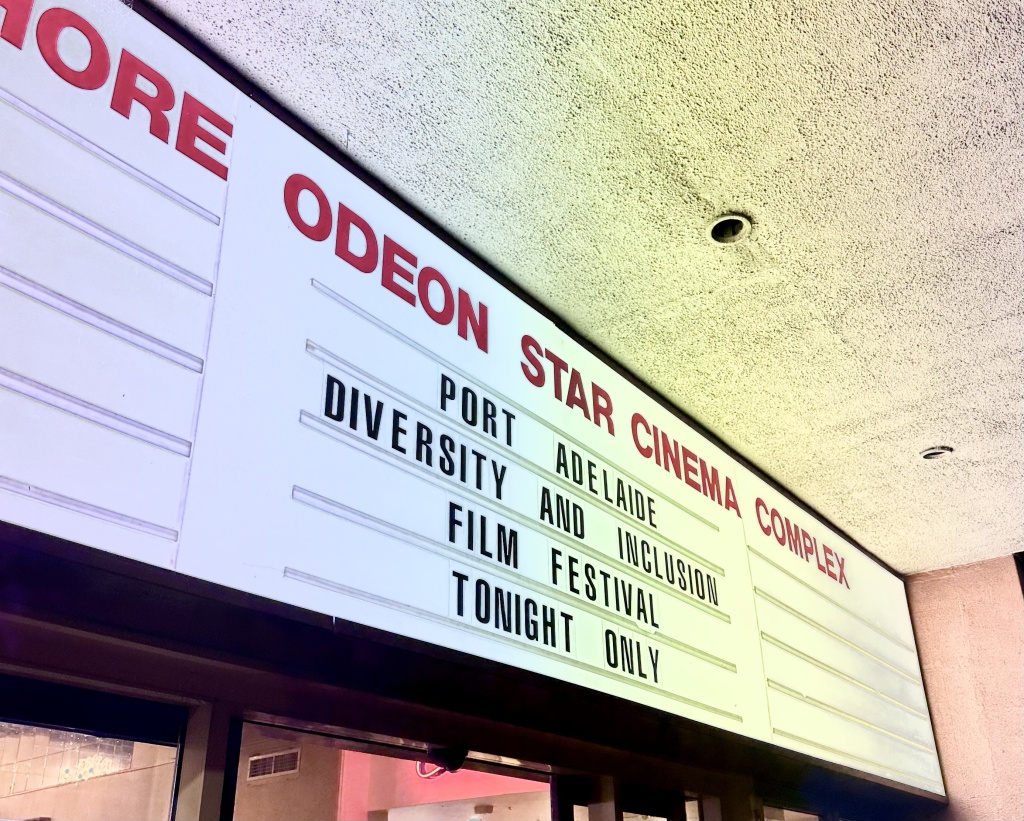
In its second year, the Port Adelaide Diversity and Inclusion Film Festival continues to be a vehicle for social change through its recognition of culturally diverse, under-represented, and minority groups in our community. (Image: Anna Ngov)
By On The Record | @otr_unisa and UniCast Radio | @unicast.radio
At this year’s Port Adelaide Diversity and Inclusion Film Festival (PADIFF), film-lovers came together to celebrate short films created by those belonging to culturally diverse backgrounds and minority groups.
PADIFF’s founder, Yogi Devgan, is an Indian-born Australian filmmaker and director who was first inspired to start the event last year after noticing “a lack of diverse content in the industry”.
“Australia is a very diverse country with a mix of cultures and communities, but, in my opinion, this doesn’t reflect on the screen,” Devgan said.
“The more that we see diverse content and stories, the more that we can get inspired to start thinking outside the box and exploring wider audiences.
“PADIFF is a platform for providing opportunity and showcasing diverse content, and to inspire filmmakers to do so as well.”
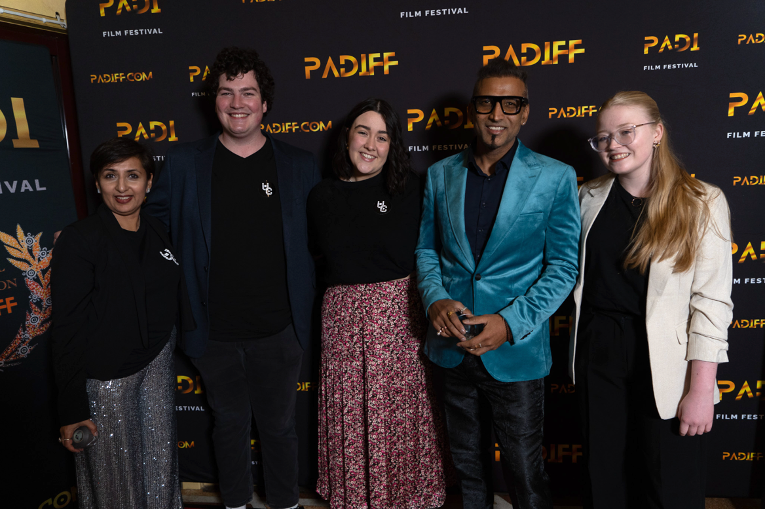
The festival invited filmmakers to submit their own original short films, with those shortlisted based on the diversity, representation, and inclusion across the film’s content and crew members.
Joshua Trevorrow produced and co-directed the short documentary Seeds of Change, which was the first film to be screened on the night.
The documentary featured Ngarrindjeri elder Mark Koolmatrie and the work he puts into facilitating cultural and heritage tours on Country.
“I met Mark [last] year and just thought his story was incredible,” Trevorrow said.
“I found him incredibly inspirational and a wonderful advocate and communicator and just thought his story had to be told.
“We ended up with a little short documentary on him, he’s pretty chuffed with it as well.”
Following its screening at PADIFF, Seeds of Change is also set to feature at Wild Earth Oceania in Sydney next month.
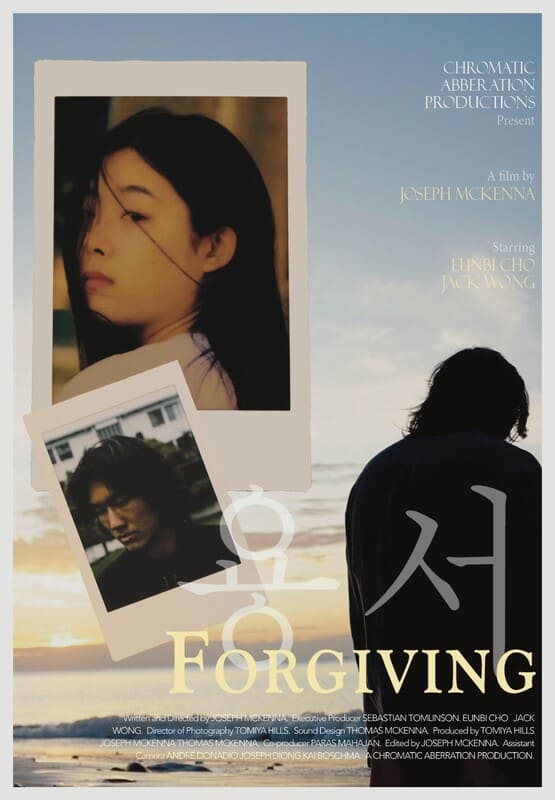
Directed by Joseph McKenna and produced by Tomiya Hills, Forgiving is another short film that has taken the film festival world by storm.
Winning the PADIFF award for Best Cinematographer, the short drama has also been nominated across six film festivals this year, successfully winning three – including Best Short Film at the Busan New Wave Film Festival.
Known mainly for his refined “dreamlike” style, Hills explored the visual concept of what it means to forgive and how we can ask for forgiveness.
“It’s a feeling and it’s an emotion; it’s like you’ve done something, and you want to be forgiven for it, but you’re always toeing that line between forgiving, forgetting, and trying to make things right with people,” Hills said.
With diversity and inclusion at the core of the event, Hills said it was humbling to know that there is a dedicated space to showcase minority groups in South Australia.
“I think this is a fantastic event and it’s great that we can have a lot of Asian representation in Adelaide show up in these films,” he said.
While cultural diversity was a deep-rooted part of the night, the inclusion of under-represented and marginalised groups was equally as important.
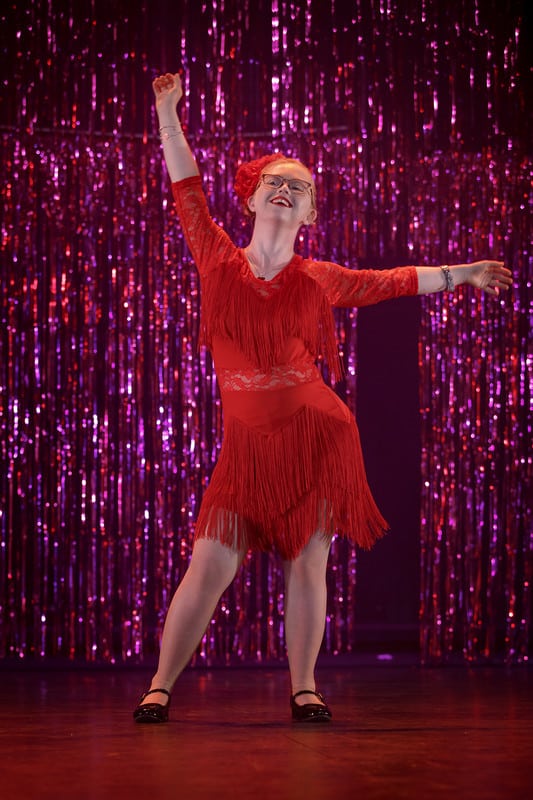
Director Claire Fletcher’s Look The Part, which won PADIFF’s Best Costume and Set Design, was just one of the short films that featured people with a disability.
The fantastical dance film focussed on Sam who, played by actress Ellen Maher, makes her dream of being a dancer become a reality with the help of Peaches: her magical inner drag queen.
In a pre-recorded acceptance speech screened on the night, Maher expressed her thanks for the film’s award.
“I loved making the film, and I am so glad you like it too,” Maher said.
The festival’s panel of judges was made up of people from various backgrounds who seek to support the making of diverse and inclusive Australia films.
PADIFF judge Nara Wilson said the judges had been adjudicating the entries for a month before the festival.
“It was a great bunch of judges. We all come from various backgrounds and minority groups so there were lots of really great discussions and debates,” Wilson said.
Audience response also played an important role, as members of the crowd were invited to vote for one of the films screened at the festival for PADIFF’s Audience Award.
Wilson said the audience feedback throughout the night demonstrated the powerful messaging within the films on display.
“[People kept saying to me], ‘Oh, that [film] was so sad’, and I’m like, ‘Good’, because it made you feel or made you think,” she said.
“It was such an amazing line of entries … it’s great everybody got to see [them].”
Audience member Andrei Gostin, who is a film and video professional and technical production leader at the University of South Australia, was impressed by the event’s variety of films.
“There were lots of varied films, some very confronting and some very light-hearted,” Gostin said.
“It’s lovely to see both the diversity of stories, but also the diversity of filmmakers here.”
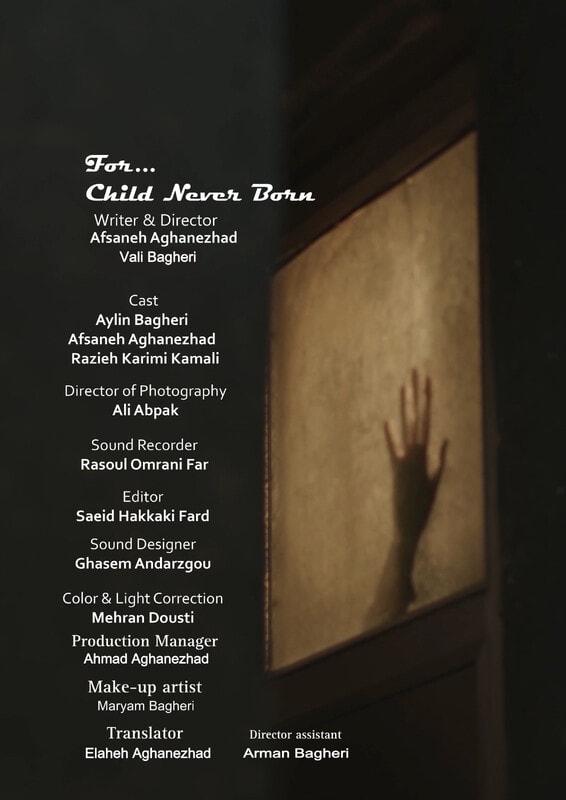
Gostin said director Afsaneh Aghanezhad’s For Child Never Born, which won the PADIFF award for Most Innovative Film, received his audience vote.
“[The film was] the hardest hitting one… [it had] no words, but it was all about women and their right or lack of right to control their bodies and to make decisions,” he said.
“I think that, to me, was incredibly powerful, so that got my vote.”
Devgan hopes that PADIFF will continue to encourage people to interact with films that are not typically seen in mainstream media, and to help facilitate greater change in the film industry.
“The increased success of this year’s event showed us that people love seeing different films – films which you can connect with as humans, no matter what background you come from,” Devgan said.
“I want to see more diverse and inclusive films being made and for them to be made in South Australia.
“We have so much diversity in the community, and the stories we see on screen need to reflect that culture too.”
For the full list of 2023 PADIFF winners, click here.
 ontherecordunisa.com