
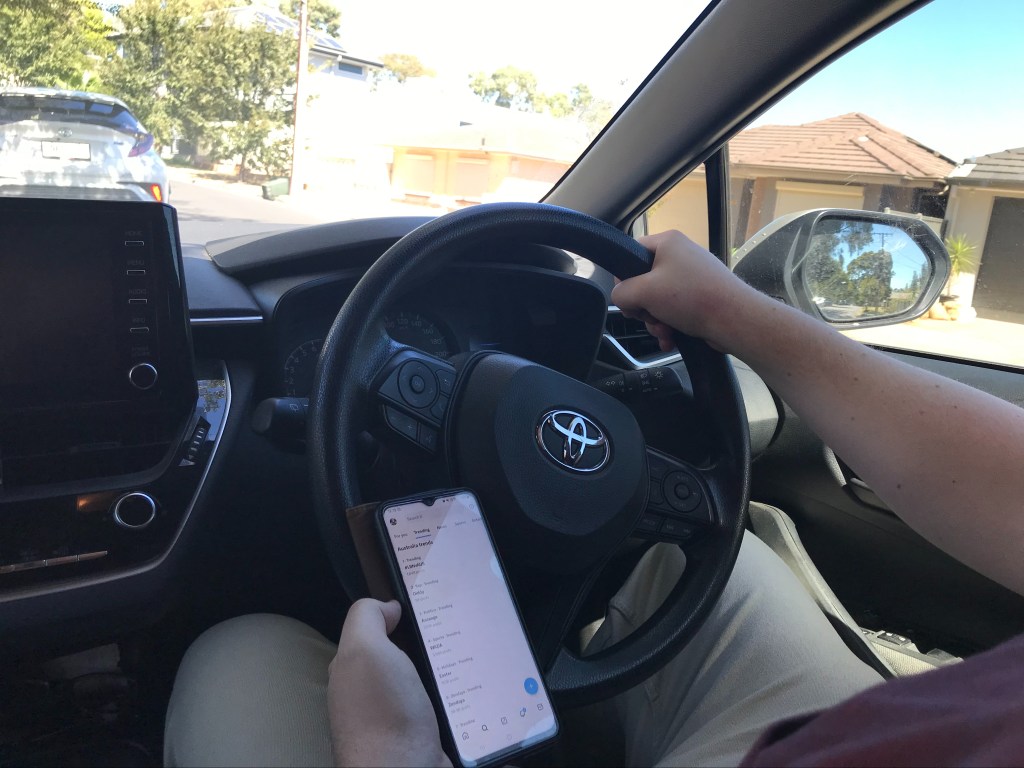
South Australia’s first mobile phone detection camera was installed earlier this year. As more cameras are rolled out in coming months, it’s hoped they’ll reduce fatal crashes caused by driver distraction. (Image: Charlotte Chalklen)
By Chelsea McLean | @chels.mclean
Earlier this year South Australia’s first mobile phone detection camera (MPDC) was installed on South Road at Torrensville. This initiative aims to reduce road trauma caused by driver distraction on the road.
The University of Adelaide’s Centre for Automotive Safety Research has identified four other dangerous locations around Adelaide where cameras will also be installed later this year. These locations are:
- The Southern Expressway, Darlington
- The North South Motorway, Regency Park
- Port Road, Hindmarsh
- Port Wakefield Road, Gepps Cross
Pending final technical reviews of these locations the MPDCs are expected to be installed and operational by June 2024.
These cameras mean safer roads and fewer risks to the lives of motorists.
Adelaide resident Kara Harding, who has been severely impacted by a distracted driver on their phone, knows these risks all too well.
The driver caused an accident that left her with a brain injury and a broken neck, costing her the ability to work full-time.
“What was he doing? Was he looking at Instagram? Was he messaging someone? I don’t know but he has taken so much of my life away from me,” Harding says.
“All the PTSD, the traumatic memories, the chronic pain, the chronic fatigue; all of that just because he probably wanted to check Instagram.”
For Harding, the cameras mean that she can start to feel comfortable on the road again.
“I think the mobile phone detection cameras are fantastic. Hopefully it will get rid of those stupid crashes that are from neglectful drivers,” she says.
MPDCs use AI software to identify and capture high quality images of drivers on their mobile phones through the vehicle’s windscreen.
MPDCs have already been operating in New South Wales, Victoria, Queensland and the Australian Capital Territory for a few years, making South Australia the fifth state to join the initiative.
Monash University found that in regional New South Wales, mobile phone use on the roads decreased from 1.55 per cent to 1.24 per cent after MPDCs were installed. The cameras also helped reduce fatal crashes by 0.59 per cent and serious injury crashes by 5.91 per cent.
An educational period will run in South Australia from June to September this year, where drivers caught by MPDCs will not face consequences. After this period, drivers caught by these cameras will face fines starting at $650 and lose three demerit points.
The state government says funds raised from the fines will return to the Community Road Safety Fund to deliver crucial road safety initiatives across the state. This includes education programs, safety improvements and public advertising.
“I hope that people realise that phones are killers when it comes to driving,” Harding says.
“[The distracted driver] looked more upset that he was going to lose his licence.”
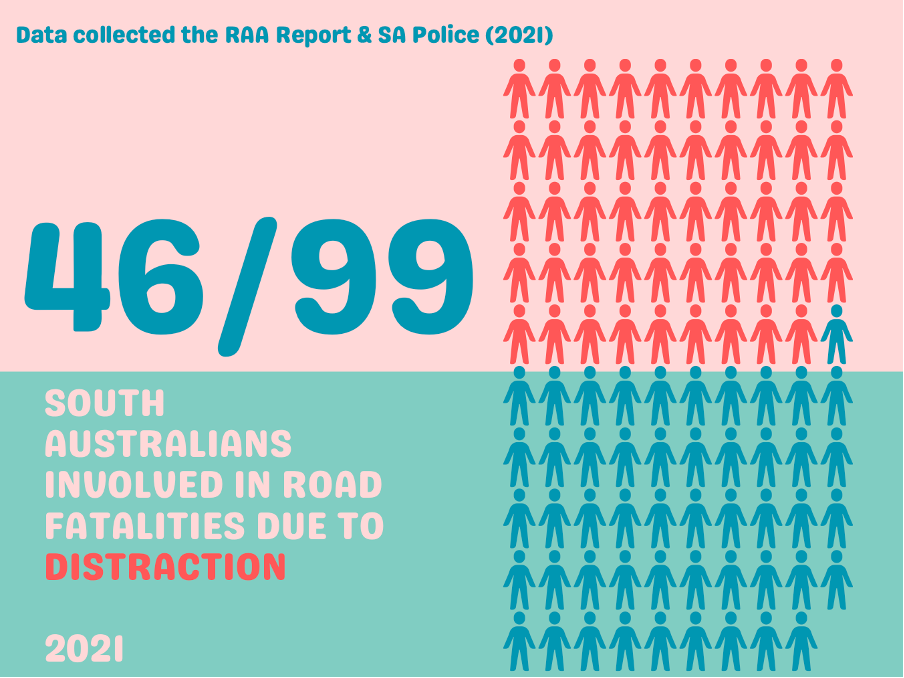
In 2021, SA Police and the RAA reported that 46 of the 99 total deaths on the road were caused by driver distraction. This makes driver distraction the leading cause of fatal road crashes in South Australia.
Harding’s risk of a fatal accident was unfortunately high.
“If I had died that night, it could’ve messed up my parents, my brother and my fiancé,” Harding says.
“I just hope that what I went through shows that just a minute looking at your phone while driving can really screw up someone’s life.”
MPDCs are a part of the state’s 2023-25 Road Safety Action Plan, which aims to reduce lives lost on the road by 50 per cent and injuries by 30 per cent over the next 10 years.
“This has 100 per cent influenced my thoughts on the mobile phone detection cameras,” Harding says.
“I would’ve always been positive around it, but I wouldn’t have been so adamant.
“I didn’t realise how much damage a mobile phone could do until it happened to me.”
 ontherecordunisa.com