
Take a trip to the far-flung coast and country brands creating more than just clothing. (image left: Rachel Forbes, image right: supplied)
By Rachel Forbes | @rachel.eleanor
A beach bum and a bogan walk into a bar. If that’s the set-up, South Australia’s style seems to be the punchline. But the vast state has plenty more to offer in the form of iconic fashion.
With patrons ranging from long-haired yahoos in coastal tees to well-kept farmers in bright pink work shirts, Yeo Haus and BullRush Clothing couldn’t be more different on paper. But in Port Elliot and Burra — despite being over 200 kilometres apart — you’ll find a common thread where style is influenced by local landscapes and community.
Yeo Haus – Port Elliot
5/10 Elliot St, Port Elliot SA 5212
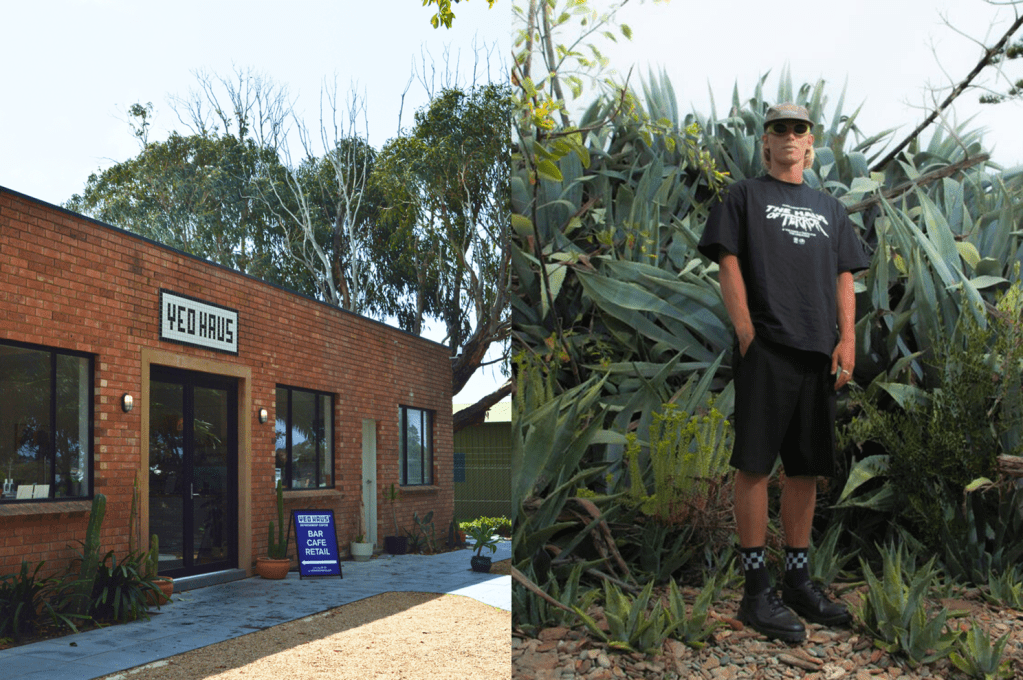
The warm storefront of Yeo Haus stands out from the industrial Elliot Street as a sanctuary for surf style, beverages, and community.
After moving Yeo Haus from The Strand in Port Elliot to a less central locale, it was important to owner Benjamin Hewett to utilise the larger space while still paying homage to his coastal upbringing.
Ben began sewing and screen-printing t-shirts himself nine years ago. Working alongside his housemate at the time, he decided to sell the shirts at markets and the brand evolved organically from there. The brand has always been about the “surf lifestyle” and Hewett says he wants the surfing community to feel like they have a home in Yeo Haus.
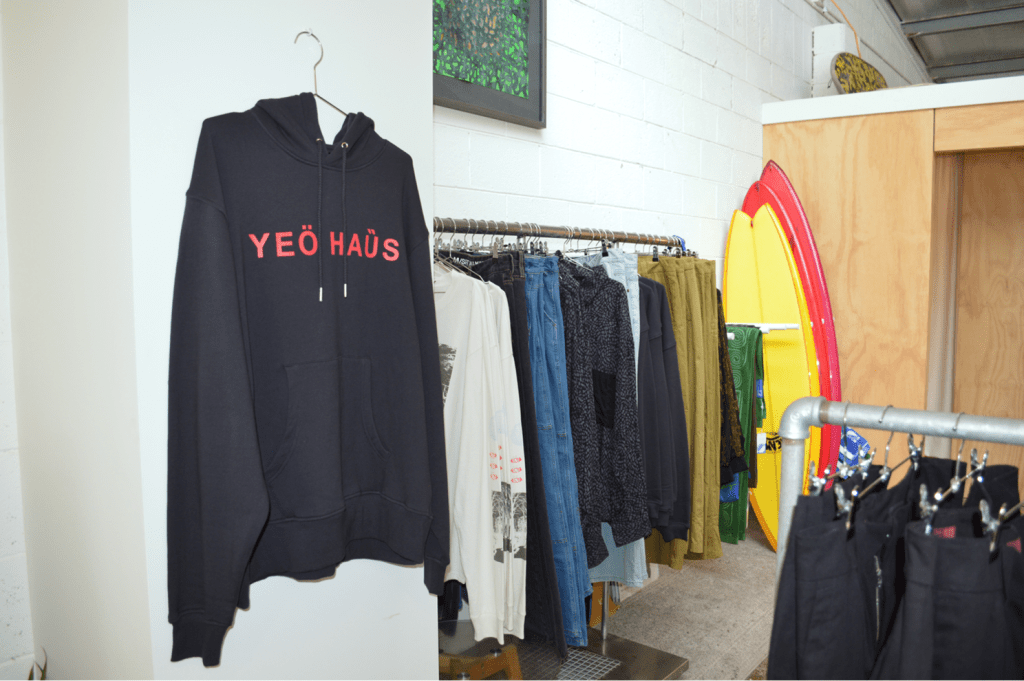
“Surfing’s a funny one because, like, you always have your little community in the carparks,” he says. “That’s kind of where you congregate, you get changed and then apart from that you don’t really have anything.”
Everything Hewett does with Yeo Haus has to align with his ultimate goal of creating a community for Port Elliot and surf enthusiasts. Whether he is serving drinks or hosting live music, Hewett wants his customers to feel the soul and meaning behind it all. Retail, though, is still the priority: even as Yeo Haus opens a surfboard shaping bay.
Wearing a panel cap and green crewneck, Hewett says: “I’m not a venue manager, I’m not a bartender, I’m not a barista, I’m not a kitchen hand but I’m doing all these jobs and, you know, where my passion lies is … making clothes.”
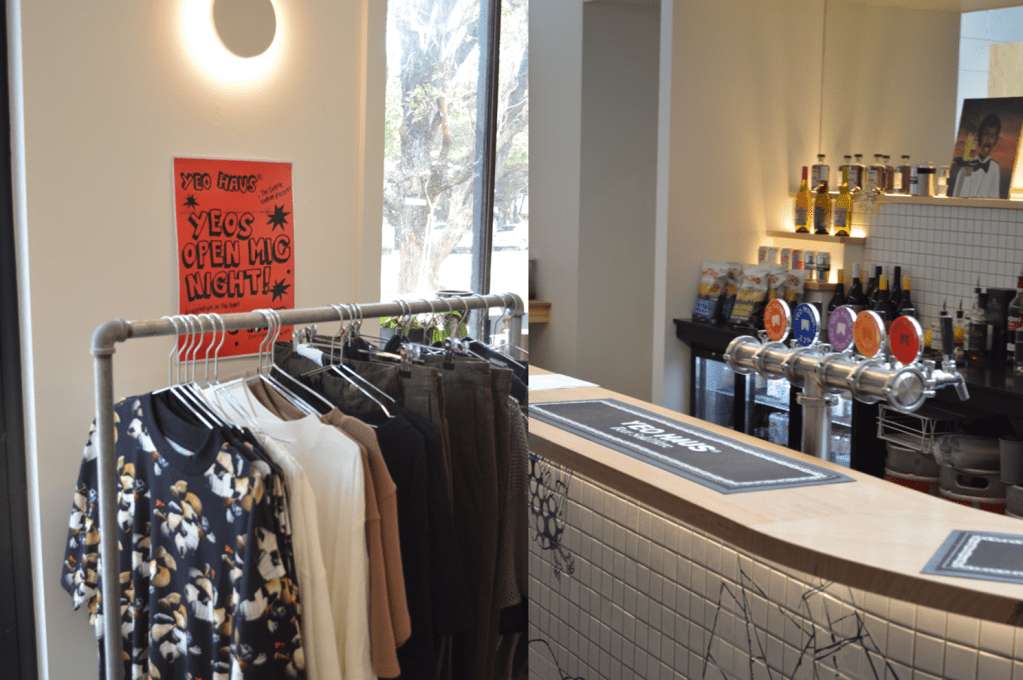
Hewett’s creative process is “treated like a musician writing an album” and is influenced by his experiences around the coast. He hopes to tell a story with each garment.
“We really touch on our roots of being here so we try and tell that through visual campaigns that we shoot around the coastline,” he says.
Hewett grew up around Port Elliot — on Ngarrindjeri land — moved to Adelaide, and then was called back by the familiar stretch of southern coastline. He says the area’s beaches always stood out because they provided the illusion of seclusion.
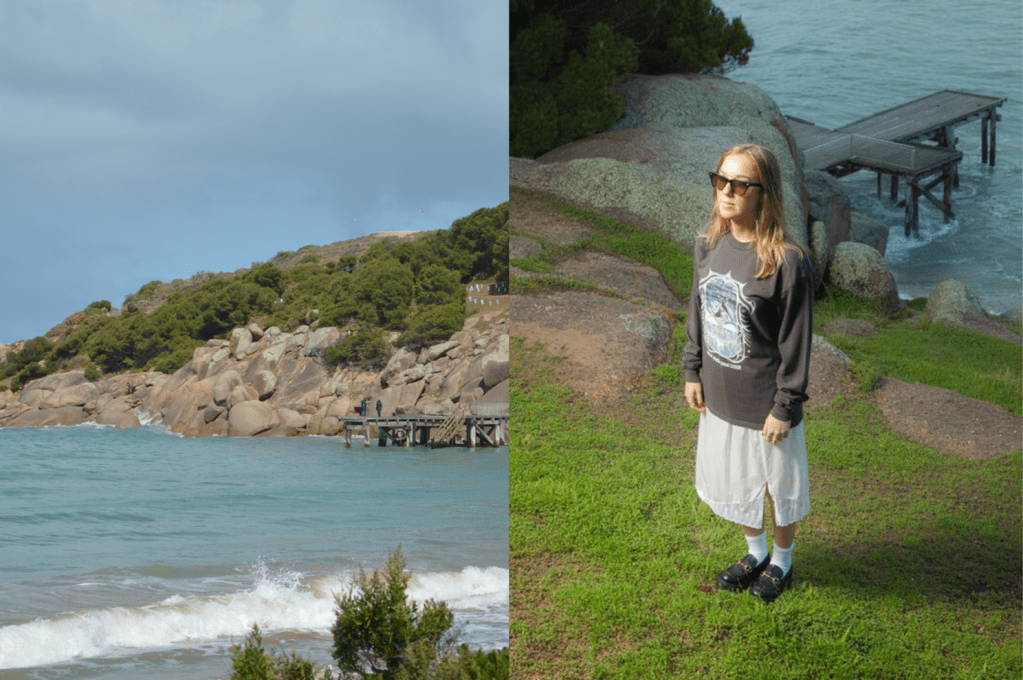
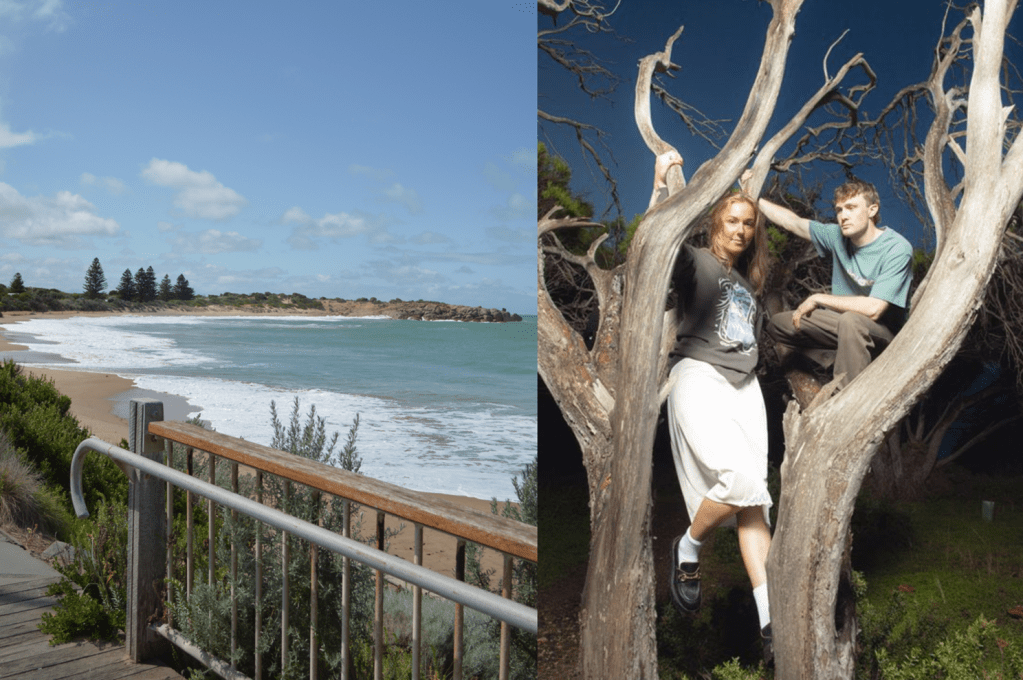
“Particularly when we’re like, you know, online … it’s quite inspiring this part of the coast,” Hewett says.
“I kind of want to tell that story and, you know, this is what you’re missing out on. You’ve got to come down and experience it for yourself.”
Yeo Haus’s campaigns have featured local icons like Horseshoe Bay jetty, Freeman Lookout and, Hewett’s personal favourite, Lady Bay.
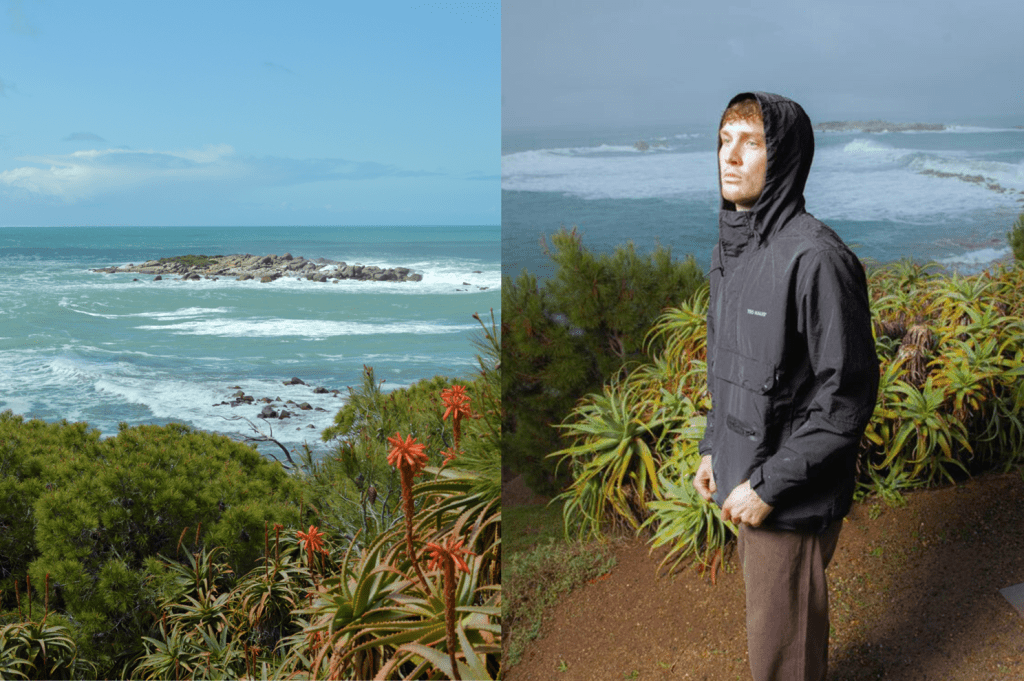
Using a series of hand gestures to illustrate the streets that take you to the edge of Port Elliot, Hewett says: “The path down feels like it’s a little bit like secretive.”
Lady Bay used to be an exclusive bathing area for women with changing sheds that have now been demolished. The bay is mostly embraced by families intent on beachcombing and crabbing, but Hewett says it offers much more than that.
“It’s just special,” he says.
“You can have a moonrise from there, you can have a sunrise from there … you’re always looking back on to Horseshoe Bay … kind of feeling a bit, you know, detached from it all.”
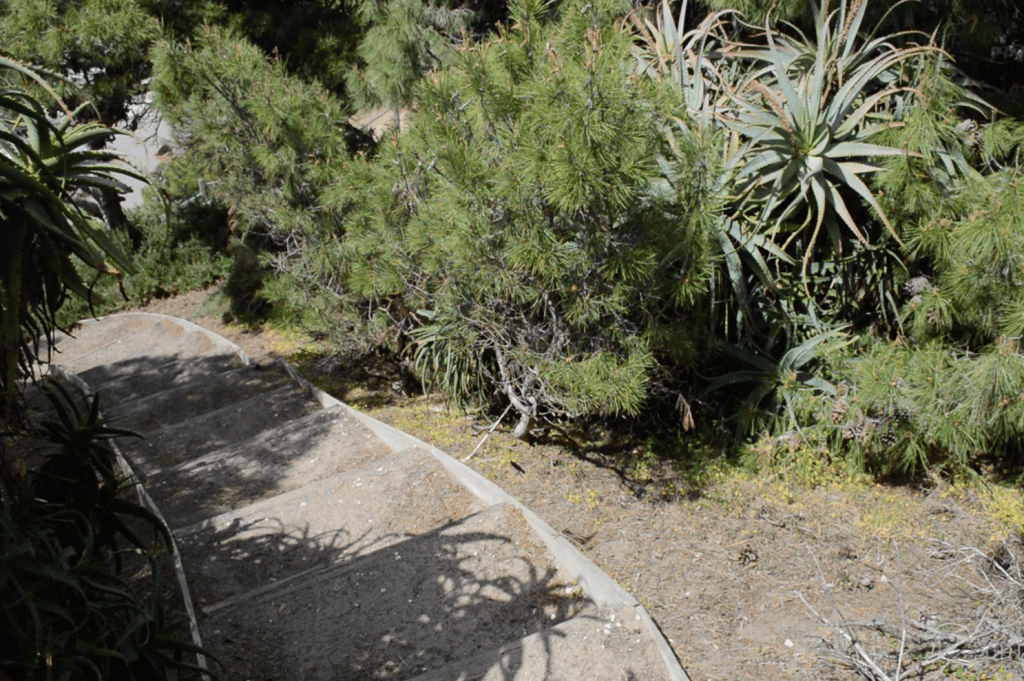
Detachment is a key theme in Yeo Haus’s plotline. The Fleurieu coast has previously felt disconnected from the city and its conveniences. Hewett thinks that, nowadays, people are challenging this idea and craving a slower-paced lifestyle in regional areas that have previously seemed insular.
“I remember, when I was younger, I used to tell people where I lived and they were like, ‘oh that’s so far away’ and I think that kind of idea has slowly dissolved and changed, particularly with COVID,” Ben says.
“People have changed their idea, like, ‘you know, life’s too short to be caught up in the rat race, I want to just enjoy myself and go walk around the headland and get the breeze coming from Antarctica’ and little things like that.”
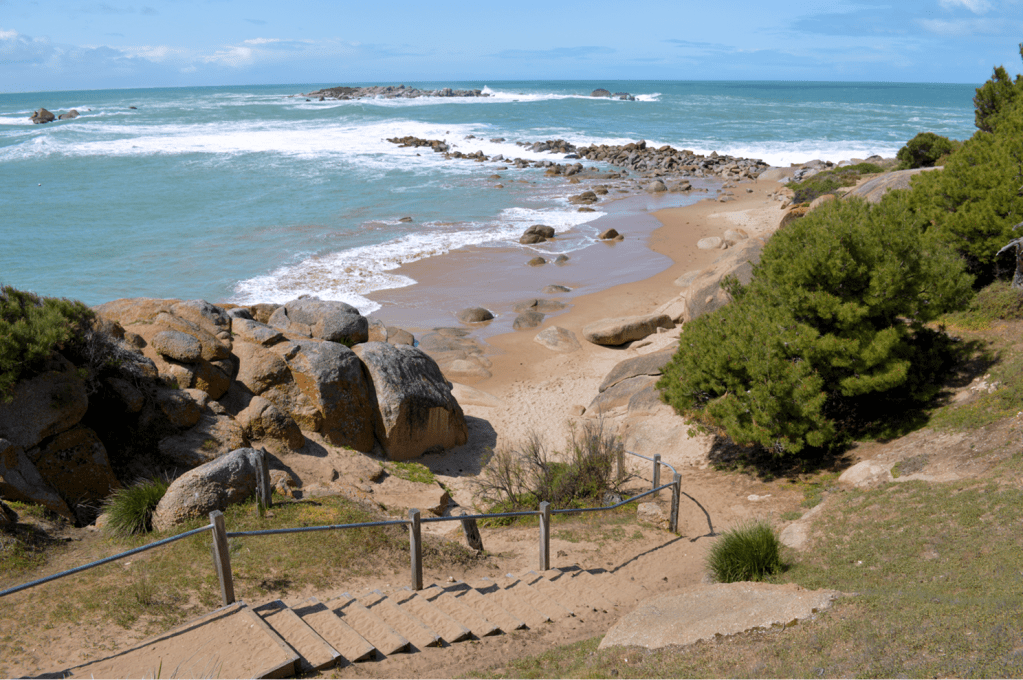
Hewett says Yeo Haus is for the twenty-something needing a space outside of social media. You can picture long hair dried by the sun, tan skin and sunglasses, but their brand identity isn’t merely about a look.
Hewett describes Yeo Haus simply.
“You can detach yourself from society and come in and just be like ‘nothing really matters anymore’ because, ‘I’m in a space where I feel comfortable’.”
Whether relaxation means watching a surf movie, getting a coffee or a beer, or listening to local musicians, Yeo Haus is a private high-quality communal escape from low-quality connection online.
“You’re always kind of attached with social media,” Hewett says.
“You can never really escape it so over here you don’t have to be on your phone you can just enjoy the space that we’ve created.”
BullRush Clothing – Burra
12/14 Market St, Burra SA 5417
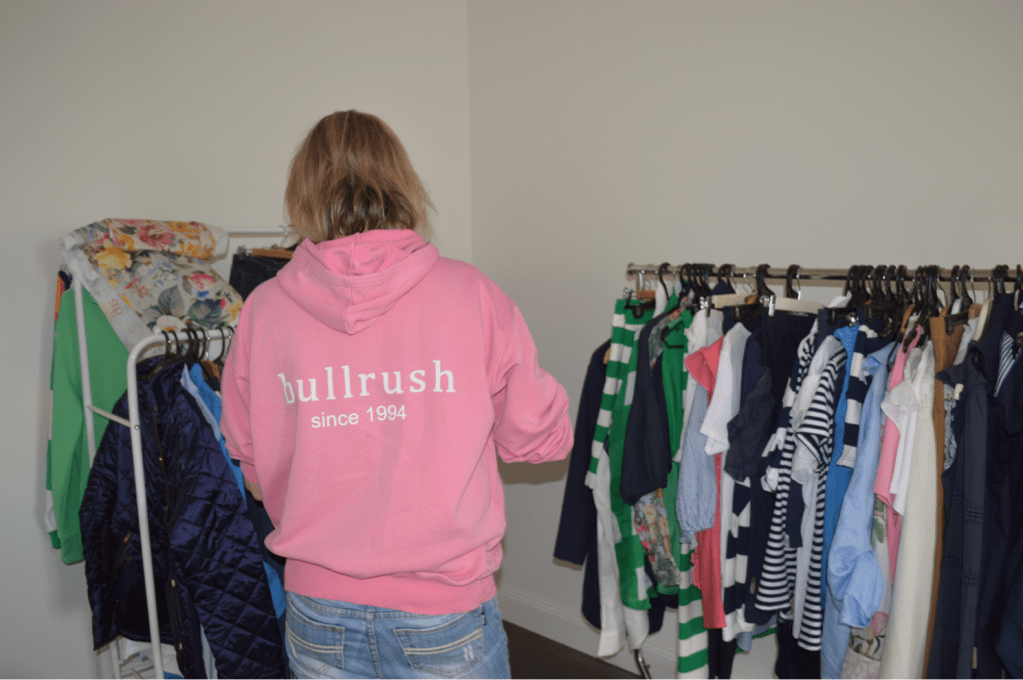
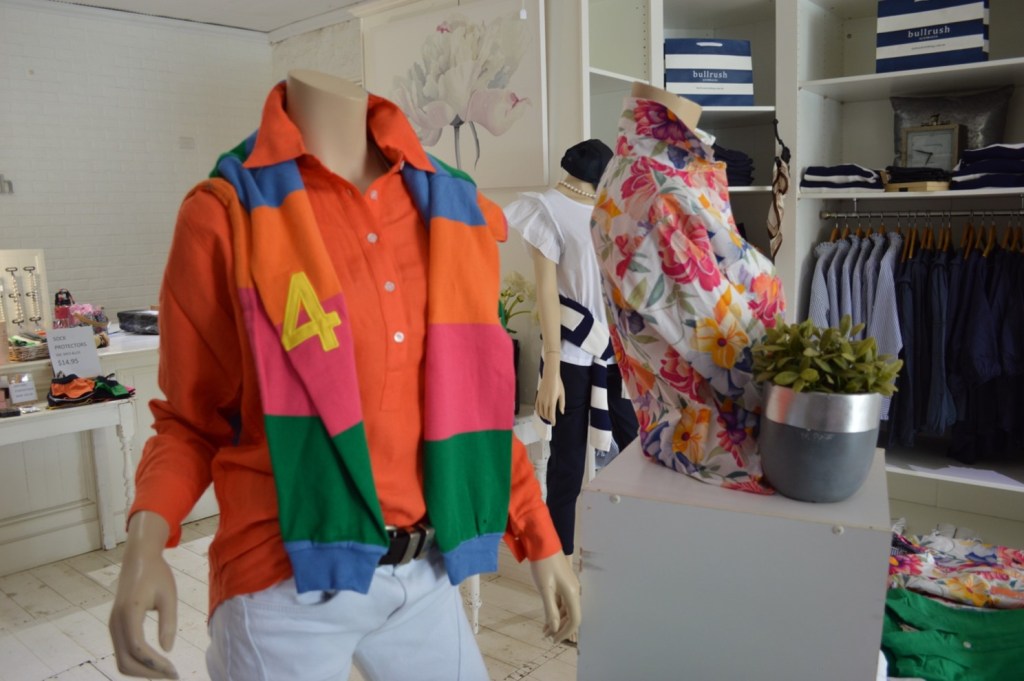
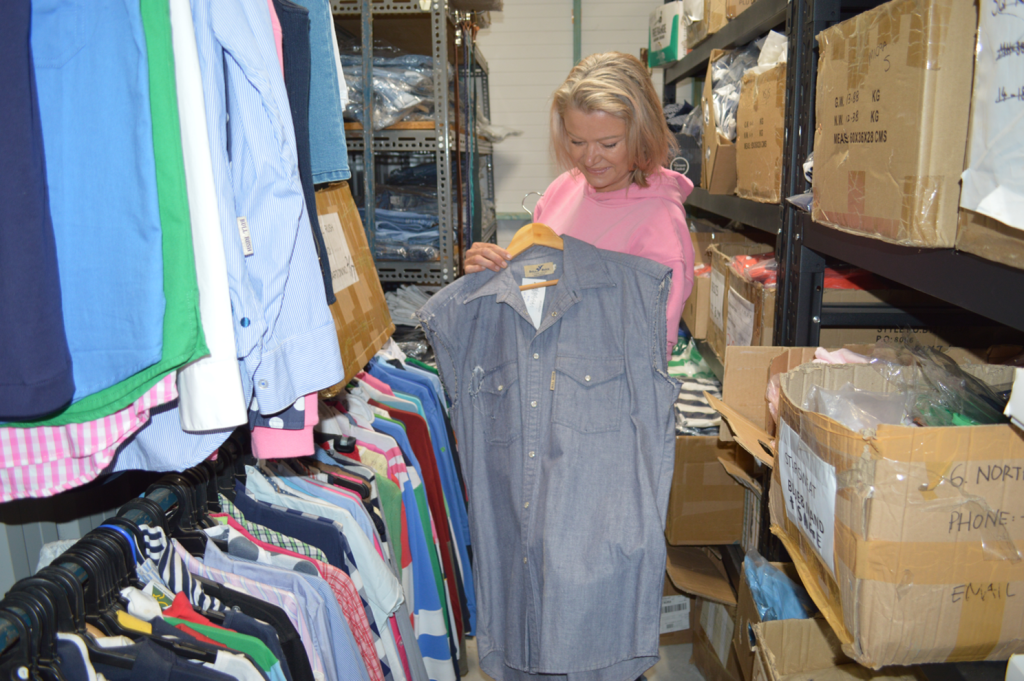
Kerry Mosey, the owner of BullRush Clothing, describes her flagship store in Burra as “a showpiece”. The colourful and curated layout may appear to contrast with the country town’s tough environment, but Kerry is no stranger to being stranger than most.
“Well, as I grew up, I was always really different,” Mosey says.
I used to wear ridiculous clothes, really. Skinny bubblegum jeans and happy pants.”
Mosey’s designs are vibrant and playful but long-lasting, which matters when you are more than 150 kilometres from the nearest city.
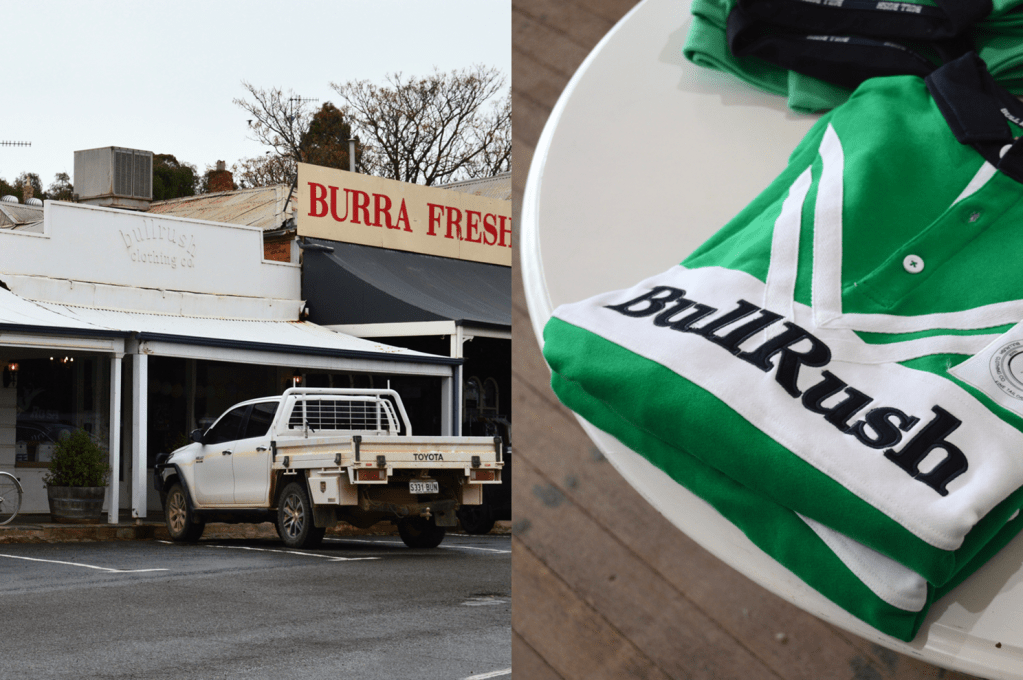
Mosey was born in Eudunda — on Ngadjuri land — not far from Burra and began her fashion journey by sewing Barbie clothes with her grandma. She eventually studied fashion, but the origin of BullRush’s signature vivid Western style can surprisingly be accredited to Madonna.
Mosey says: “I think it was Madonna and Garth Brooks. She was wearing — I still remember — a satin Western shirt and I thought, that’s kind of cool, it’s different.”
From there, BullRush was formed and Mosey started selling her clothing on racks at rodeos. She did “everything the hard way”.
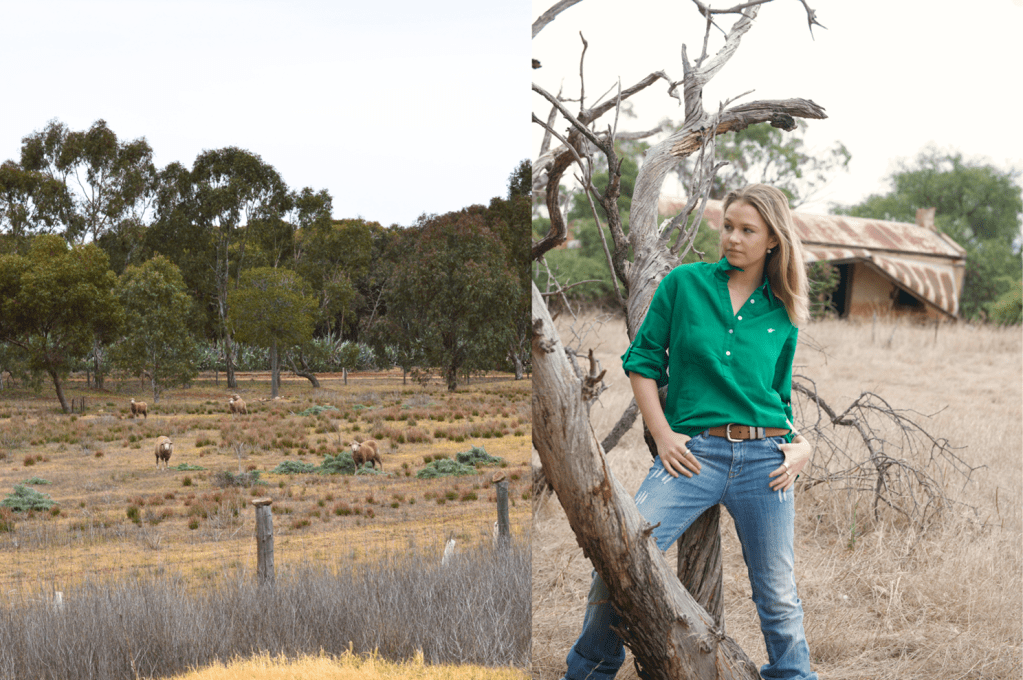
“I had no idea what I was doing,” Mosey says, “I had no money to start with, not a cent.”
“I started this whole business with about $500, made a heap of shirts, worked in a fabric store and he let me buy their fabrics a little bit cheaper than everyone else, then I’d make the shirts, double my money, I’d take that $1,000 and buy more fabric and it just kept growing like that.”
Mosey saw a gap in the market; not just for country folk who wanted something different, but also for plus-sized women. Her time studying fashion and patternmaking for this demographic only further cemented the distinctiveness of her brand.
While building a reputation as a unique and inclusive yet high-quality country brand, BullRush created its very own celebrity history to rival Madonna’s satin shirt.
When the iconic 2000s TV show McLeod’s Daughters was being filmed in Kapunda, Mosey was approached by the Channel 9 wardrobe department. Soon enough, her designs were worn by the main cast including heart-throb Aaron Jeffrey.
BullRush was also worn by Australian country singer Lee Kernaghan and comedian Glenn Robbins in the spoof survival series All Aussie Adventures.
“Because I was young and single, we went everywhere, we met all these people and we dressed them and we had fashion parades with Lee Kernaghan that just swamped the Alma [Hotel],” Mosey says.
“It was pushing down the walls and they had to kick people out because there were too many people there.
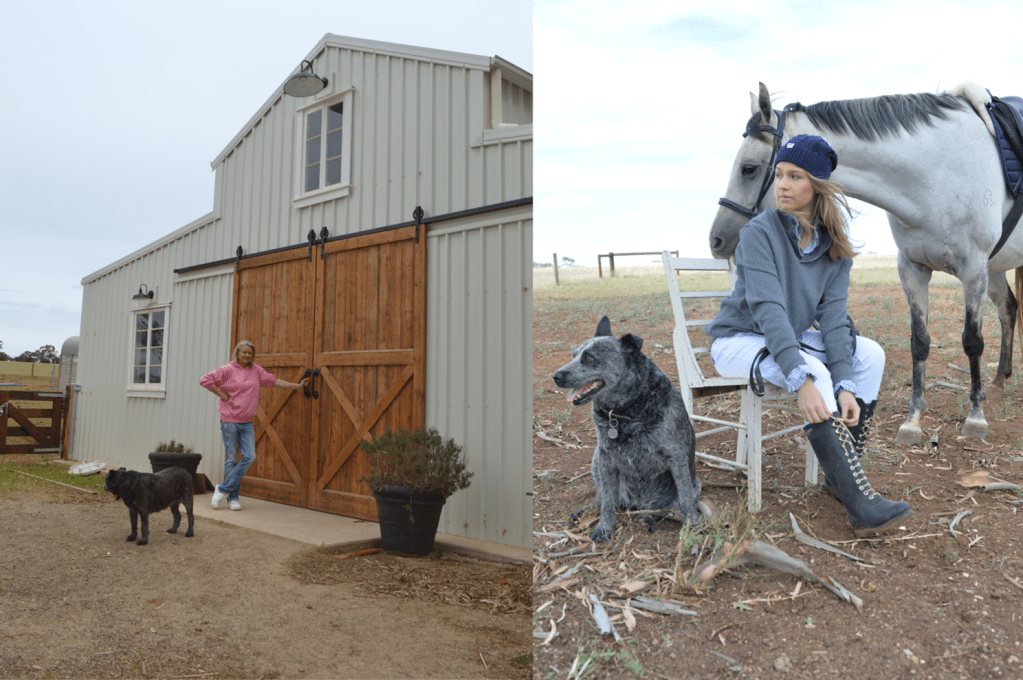
Mosey says: “It was pretty good back then, but I’m 53 now so I’m scaling down and I’m trying to get my daughter to learn the business side of things because I do everything right from designing it.”
Since 1994 and even earlier, Mosey has almost anonymously created the larger than life persona of BullRush.
“People thought we were massive, because I did everything that looked like we were massive; posters and marketing and stuff. But, they didn’t know the girl behind the brand so we just started pushing me — and Tilly only in the last year — and our family business and showing people we aren’t big. We’re small.”
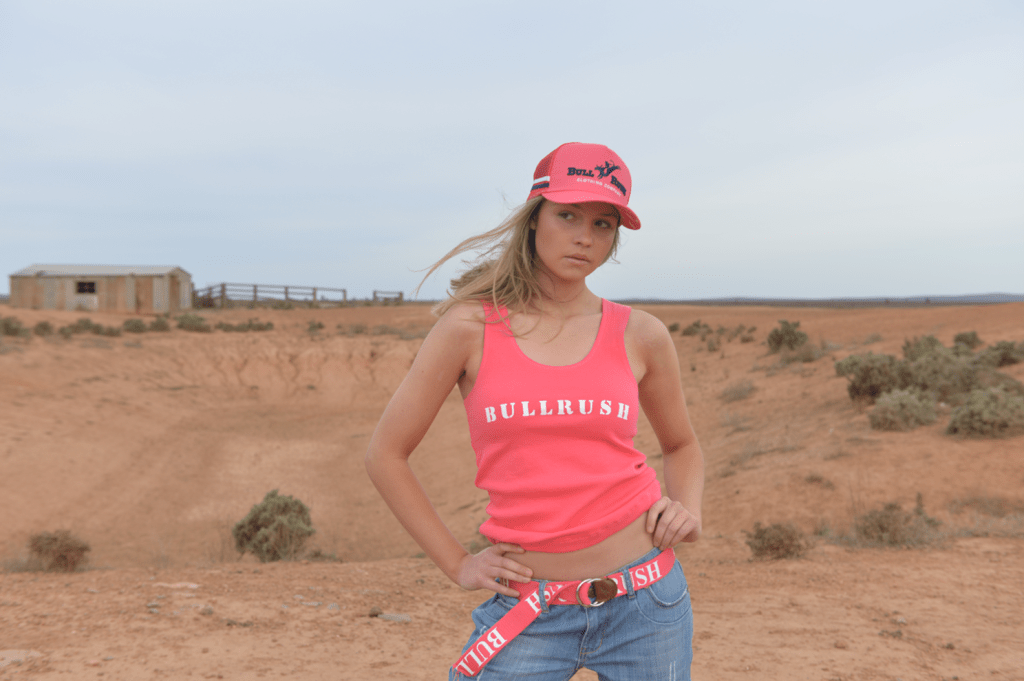
Mosey knows that for her detached and hardworking rural audience, a ball gown just won’t fly. She has vowed to stay true to the community and customer base she has built with BullRush. To do this, Mosey focuses on the people most important to her, her business, and the real country community members who frequent her stores.
“I think about a few customers, key customers, that I have, and what we do,” Mosey says.
“The minute I tried to do off-the-shoulder things and stuff, they just didn’t sell … because what my people do, my customers, is they go to rodeos.”
“But I always work on the theory that the harder you work the closer it’s going to get to what you really wanted,” Mosey says.
After more than 30 years of creating her rural brand community, considering her family and friends during the design process, Mosey proudly says: “Everywhere I go, I see BullRush.”
 ontherecordunisa.com