
For your next getaway take your family, partner, or yourself to the Limestone Coast to explore the unexplored. And, no, we’re not talking about the beach in Robe, fishing in Beachport, or the geological phenomena in Mount Gambier. As we discovered, the south-east has much more to it than just extracurricular activities and a few tourist attractions. (Image: Antonis Pagonis).
By Christian Marchetti | @christianmarchetti29
It seems like every week my mate Antonis Pagonis and I explore new restaurants around metropolitan Adelaide after watching the local game of soccer. This time, though, we’d decided to take our culinary adventures regional by visiting Robe, Beachport, and Mount Gambier on a trip to the Limestone Coast.
Pagonis had prior experience visiting the area and was eager to zone out for a few days on a road trip.
I was excited once we planned the trip, and I realised I would be able to drive on the highways in my Fiat 500. It’s not often you can drive for hours to the state’s south-east without a care in the world, focused only on the delicious food ahead.
One could call me a ‘city boy’, given my comfort in metropolitan Adelaide and my usual dismissive attitude toward regional adventures. Let’s just say that when I do leave the house, it’s usually to attend sporting events or try out a popular restaurant with my family. The idea of regional discovery has never been on my to-do list, as, frankly, I’ve always believed it to be pretty uneventful. This time, however, I kept an open mind and was somewhat intrigued by discovering more about South Australia.
We departed Adelaide on a Friday morning, starting our three-and-a-half-hour drive towards Robe.
Day one
We arrived in Robe around two o’clock and immediately required food. The trip started intriguingly; we tried some Australian Chinese food from a small place off the main street. As we ate, we witnessed a tree branch fall and almost dent someone’s car.
After settling in, we were ready for our first taste of the south-east at Robe Town Brewery: Australia’s only wood-fire brewery. Upon entering, we noticed the trendy atmosphere, with what we presumed to be local artwork on the walls and live country music played by three musicians, likely from the area. This brewery truly embodies the motto that local is best.
I began with the fruity Longboard Lager, then moved on to the Tasting Flights: four beers, 100 millilitres each. I chose the Raspberry Fruit Sour, Watermelon Fruit Sour, Nectarine Dream, and Magic Mulberry. The raspberry and mulberry beers tasted like sparkling raspberry and mulberry water, while the nectarine was very sour, and I had mixed feelings about the watermelon. Sour beers aren’t everyone’s thing, but I was pleasantly surprised, and even more so when learning about the brewery’s processes.
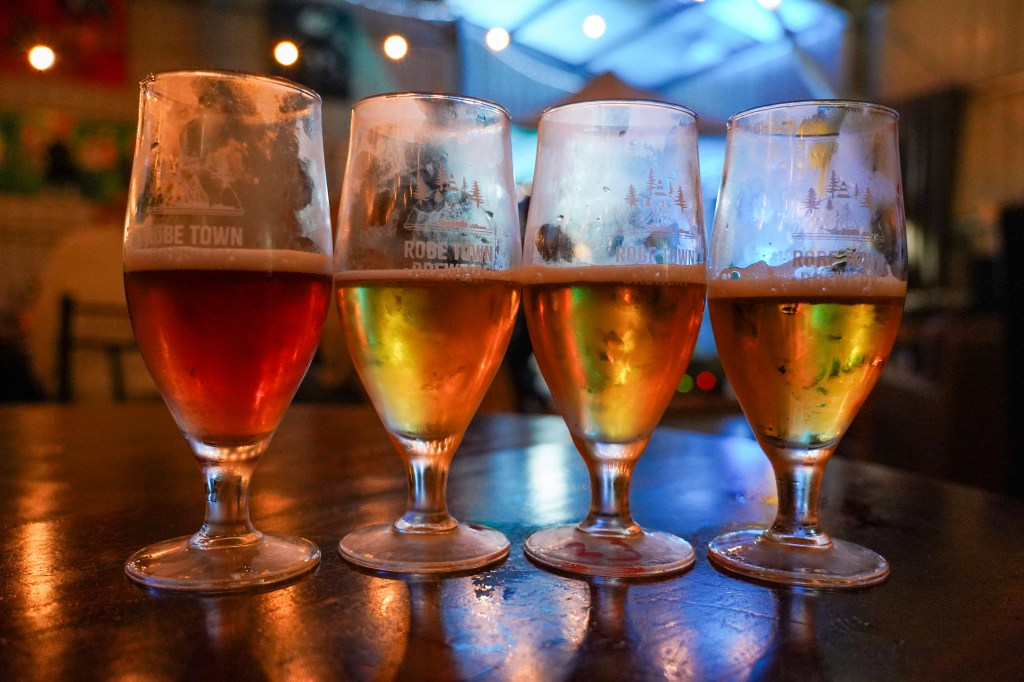
The Tasting Flights beers at Robe Town Brewery. (Image: Antonis Pagonis)
Owner of Robe Town Brewery Maris Beizaitis shared the historical methods they use.
“We’re unique in how the beer is made, using low-tech, historical brewing methods,” he said.
Beizaitis described mashing malt in old wine barrels, filtering through straw, boiling in a wood-fired kettle, and using non-refrigerated fermentation, which takes longer but is something he does “for the love of it.”
He explained that the methods stem from his commitment to self-sufficient practices, with their wood-fire approach being a rarity worldwide.
“Most breweries have moved to high-tech, automated systems using electricity or gas, which are easier for operators,” he said.
It was fascinating and made the trip worthwhile for discussing brewing intricacies alone.
Robe Town Brewery also offer tastings and food from its Loose Menu. We ordered the Beyond Meat burger. This burger is a must-try with a perfect brioche bun, superb sauces, and a mouth-watering plant-based patty.
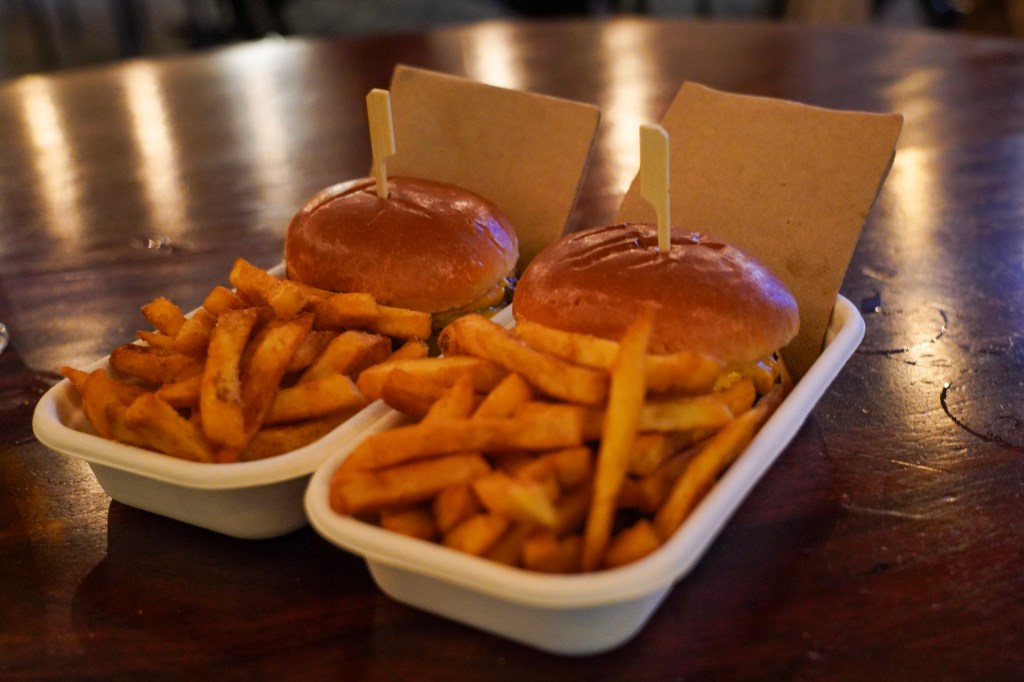
Robe Town Brewery’s plant-based Beyond Meat burger. (Image: Antonis Pagonis)
Day two
The following day, we took our trip to Beachport, about 30 minutes from Robe.
Beachport is well-known for its seafood, which I was keen to try. After driving along the Bowman Scenic Drive, we arrived at The Lobster Pot: a small fish deli in the heart of the town.
This place offers a range of seafood products and lunch items. Its selection includes delicacies like crayfish pasta sauce, crayfish pies, oysters, whole lobsters, and even pickled squid in a jar.
I got the lobster rolls and a ‘Rocky Red’ soft drink imported from Mount Gambier’s Molony’s Soft Drinks. The drink tasted like Schweppes raspberry, with the critical difference being that it’s local. The lobster in the rolls was incredibly tender, and, for only $20, it was the ideal lunch snack.
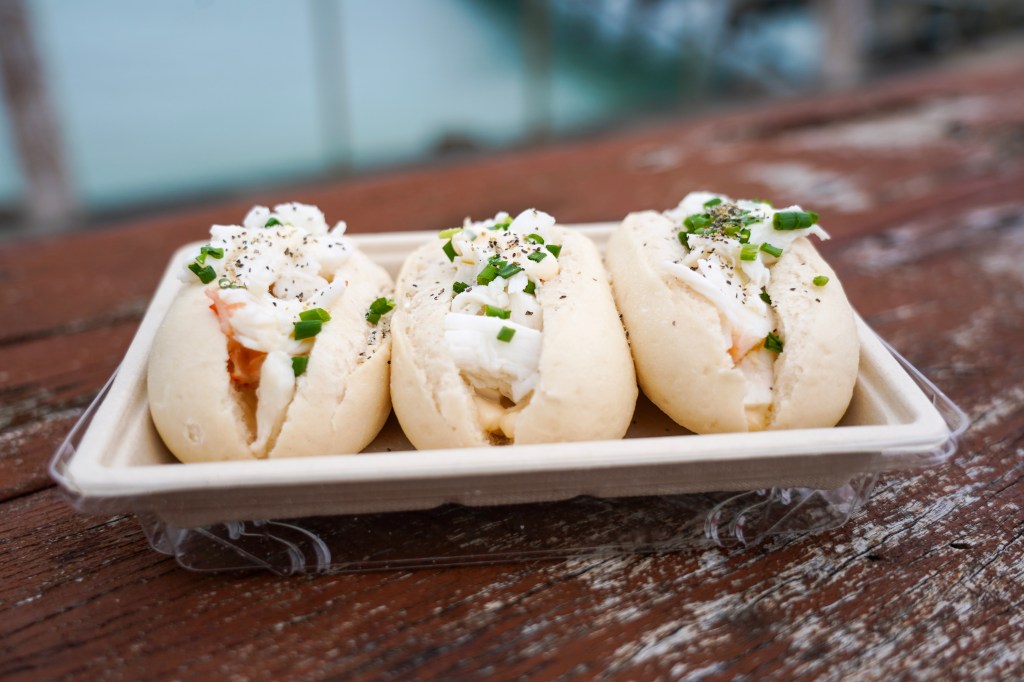
Lobster rolls from Beachport’s The Lobster Pot. (Image: Antonis Pagonis)
Had I been from Beachport, I would have tried the pasta sauce or taken home a lobster. Seeing diversity in the products sold was refreshing — certainly more than I’ve seen at seafood markets in Adelaide.
The Lobster Pot also has a factory that exports crayfish to Adelaide, Melbourne, Sydney, and overseas, taking Beachport’s crayfish to markets far from the Limestone Coast.
Store manager Reece Sutherland says the whole exporting process happens on the one day.
“It’s live in the morning, fresh cooked, and then they’re out the door in the next couple of hours,” Sutherland said.
Exporting is significant, but the quality of the seafood is also a massive draw for visitors to Beachport. In the summertime, up to 10,000 people can visit the town.
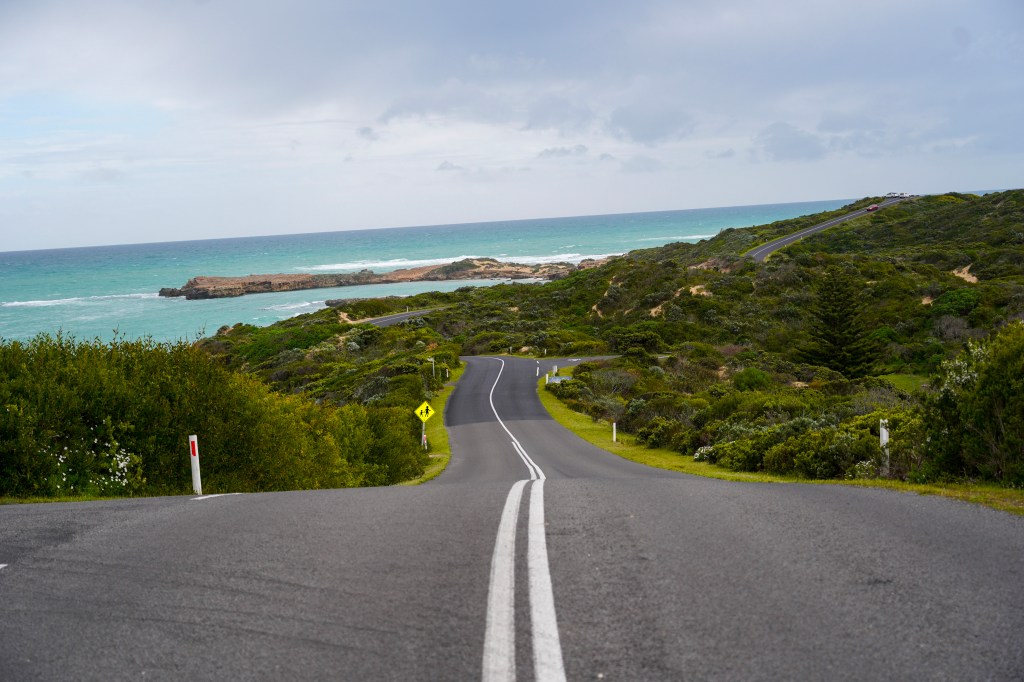
Scenic drives throughout the Limestone Coast. (Image: Antonis Pagonis)
After checking out the Beachport jetty, we returned to our accommodation before leaving for our next place: the coveted Mayura Station. This Japanese steakhouse is 30 minutes east from Beachport, in Canunda. Certified to have the best wagyu meat in Australia at the national Wagyu Branded Beef Competition, Mayura Station was our one ‘fancy’ restaurant for the trip, giving the vibe of an elite restaurant and the thought of how such prestige is tucked away along the Limestone Coast.
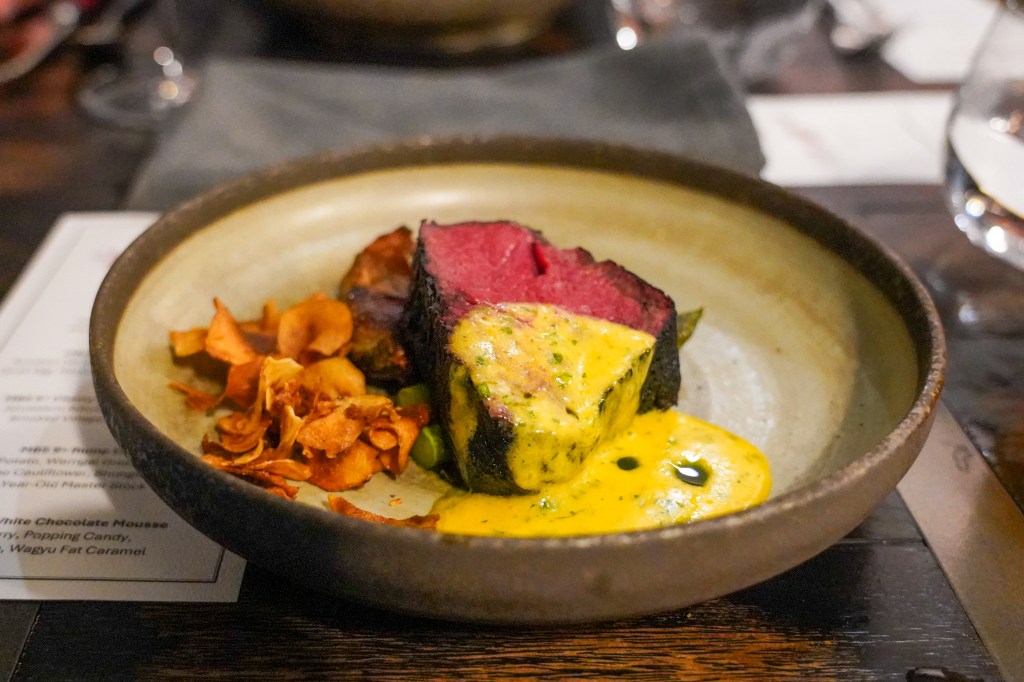
We indulged in the four-course offer in The Tasting Room. You start with two snacks: Bresaola so good it probably wouldn’t look out of place in a restaurant in Rome, and “Dry-Aged Bite, Shiso Leaf, Fermented Chilli Emulsion”, an appetiser that led me to write down the hashtag #MeltsInYourMouth.
The chef then brought everyone to the front and spoke about the origins of Mayura Station and wagyu meat. I learnt that the station’s cows are fed chocolate and lollies in their last 120 days to increase marbling, which is the white flecks of fat within the meat muscles that improve quality.
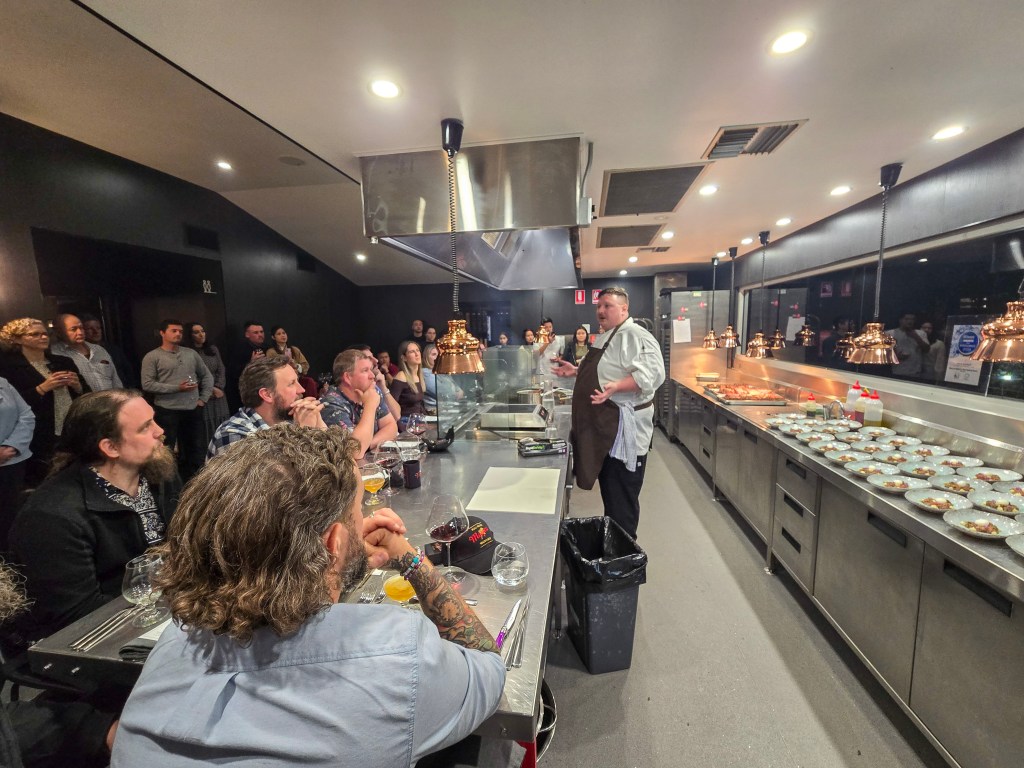
Sous-chef Jarrod Wright telling customers about the origins of Mayura Station and wagyu meat. (Image: Antonis Pagonis)
Each course is labelled with the meat’s marbling score (MBS), with 0 being marble-free and 9 being the highest grade.
Course one, the MBS 9+ Karubi Tartare, was stupidly good: that’s all I needed to note. By course two, the MBS 9+ Cherry Smoked Eye Fillet, I felt like this meat was stepping into my mouth; it was that easy to consume. The hollandaise sauce was stupendous and the artichoke, a vegetable I hate, was cooked incredibly well.
Course three was the MBS 9+ Rump Cap. Noticeably, no juices or blood oozed from the meat when cut. It was so tender a butter knife could slice it.
Sous-chef at Mayura Station Jarrod Wright says the novelty of working with such high-quality meat is yet to wear off.
“I’ve probably tried more wagyu than most people will in four or five lifetimes, but the lustre certainly hasn’t worn off of the product because it’s so special,” he said.
It was then time for the Espresso White Chocolate Mousse, which might have been my favourite course. The ability to infuse coffee, white chocolate, and wagyu-fat caramel with a popping candy effect into one bit of mousse was mesmerising. I enjoyed it so much that I was offended when Pagonis didn’t eat his because he hates anything coffee flavoured.
The mousse was the perfect example of how this restaurant does more with less through first-class preparation and cooking.
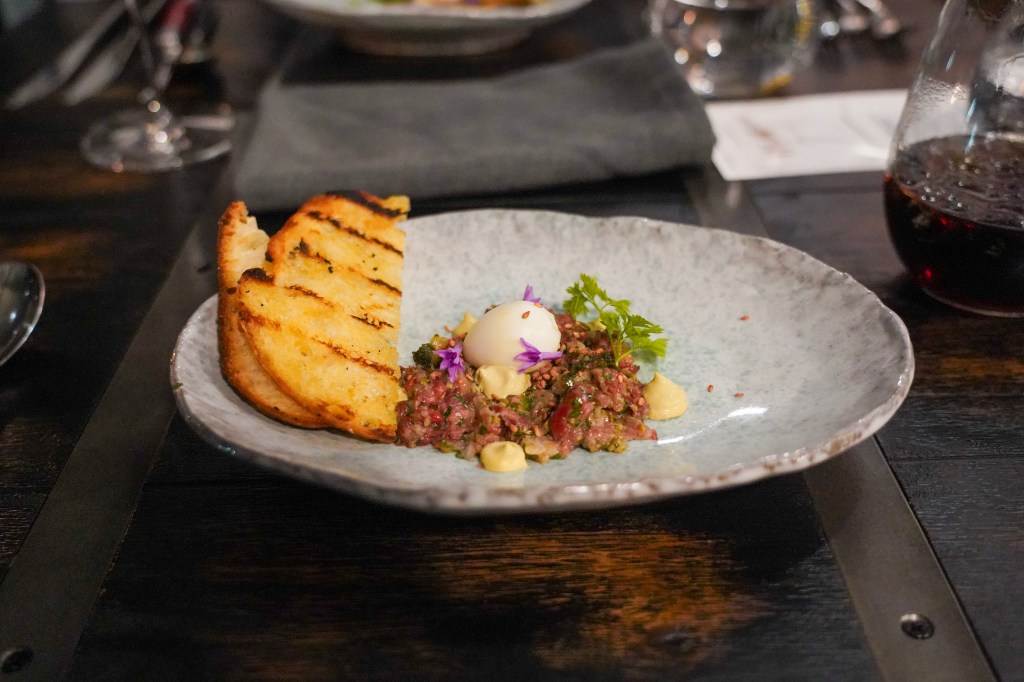
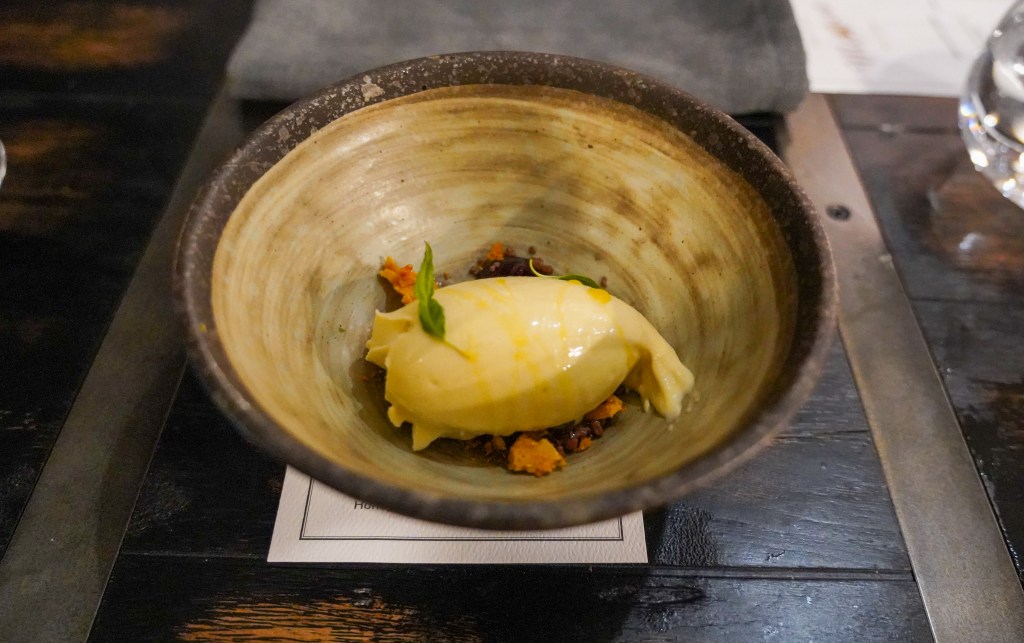
The stunning meals at Mayura Station. (Image: Antonis Pagonis)
We also learned that Mayura Station is nationally one-of-a-kind, being the largest privately owned wagyu cattle station.
“I believe you had four different cuts of wagyu, so there’s not really too many other places where you can dine where you get to experience that, so we’re very fortunate to be able to do that,” Wright added.
We were fortunate to eat it.
Day three
The following morning, we visited another bakery before beginning our hour-or-so journey to Mount Gambier, which is, in every sense, a regional city.
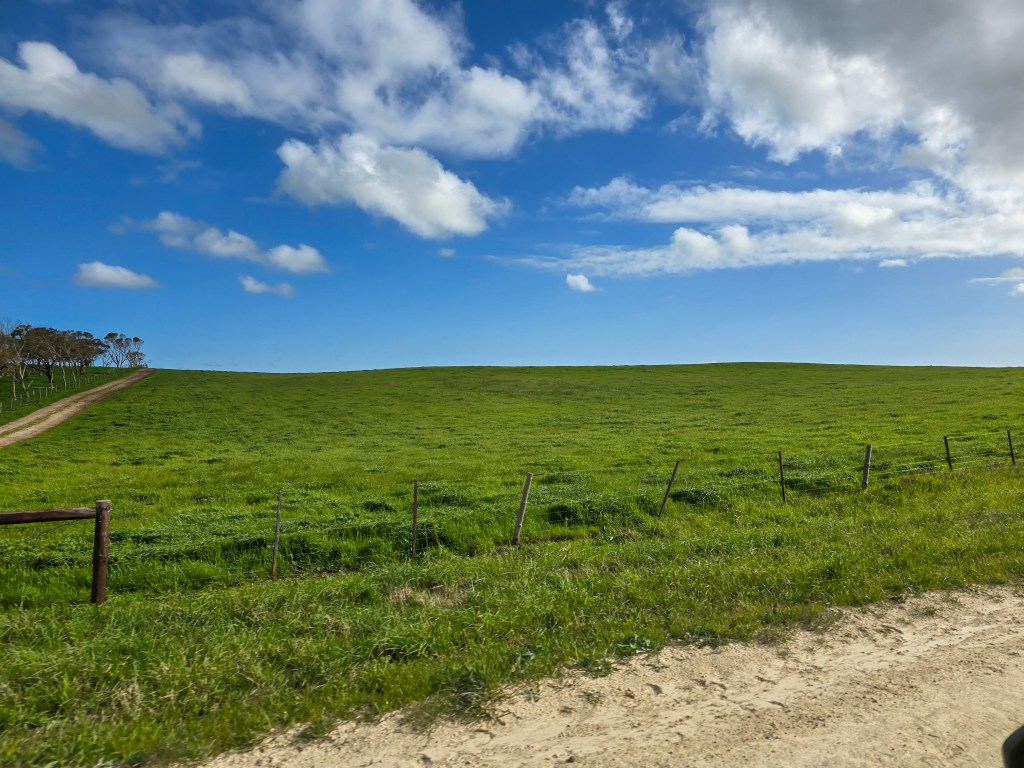
The lush green fields on the way to Mount Gambier. (Image: Antonis Pagonis)
Pagonis suggested we stay at the Old Mount Gambier Gaol, which has become a unique accommodation experience from its former historical namesake. Before checking in, we first visited Natural Born Grillers, a burger place in the city.
Exceptionally trendy and hipster, Natural Born Grillers in many ways wouldn’t be out of place in Adelaide, including the CBD. Its walls are blazed with popular culture artwork and references, something familiar from American burger joints in the metropolitan area.
One unique element is that it offers different board games for customers to play while waiting for food or eating. We played Snakes and Ladders because, well, why not?
After the drive, my eyes were bigger than my stomach, so I ordered the Birdhouse Burger, popcorn chicken, mozzarella sticks, and the “Oreo Premium Shake” for a drink.
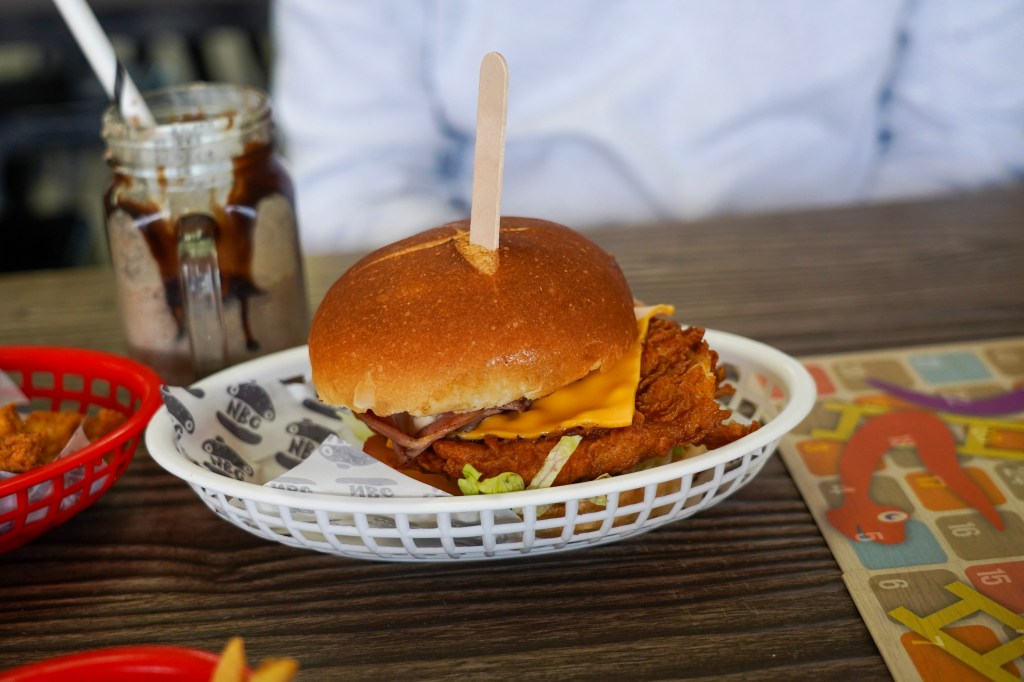
The Birdhouse Burger at Natural Born Grillers in Mount Gambier. (Image: Antonis Pagonis)
The burger was nice and big, with the tomato tying all the flavours together. The chicken and mozzarella sticks were solid snacks that tasted exactly like you would expect from a standard burger joint.
The shake might have been the most eye-catching, with layers of chocolate crunch, cream, and one Oreo at the top to eat once you finish the drinking part.
We desperately needed to replenish our appetite before dinner, with the Cosmopolitan Pizzeria and Pasta Kitchen next. Backing up a filling burger and shake combo with what was likely incredibly rich Italian would be challenging.
We later drove to the city centre to see what Cosmopolitan had in store. As an Italian-Australian with much experience eating pizza and pasta, I was keen to judge the quality of Mount Gambier’s Italian food.
When you enter, this place has that authentic pizza smell. The older man in the kitchen seemed to be the head honcho, and I jokingly thought the boy who took our order was being groomed to take over what certainly felt like a family-run business.
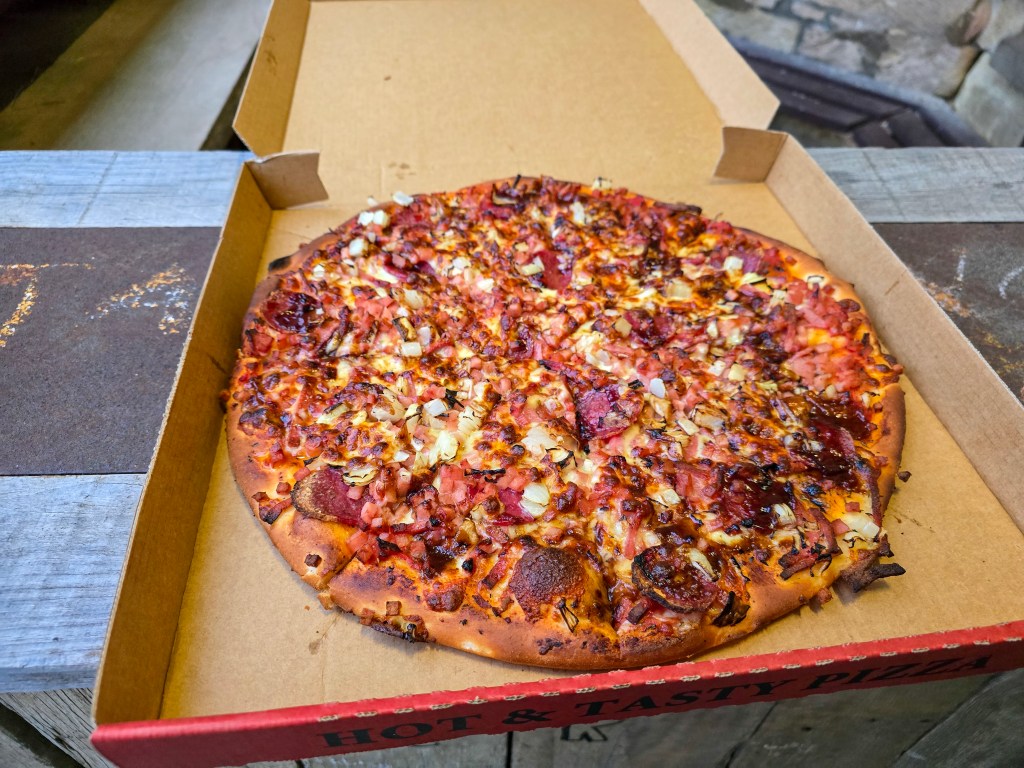
The Meaty Pizza at Mount Gambier’s Cosmopolitan. (Image: Antonis Pagonis)
Staying on the traditional Italian vibes, the menu reflected this: you ordered either pizza or pasta, and that was it. An excellent Italian place, particularly one specializing in pizza, is always busy on weekends, and you could see in the kitchen that everyone was pumping out orders this Sunday night.
I compared Mount Gambier ravioli alla Panna pasta with the tortellini alla Panna from Marryatville Pizza Pan in Adelaide, which is a favourite of mine. This sauce was rich, as it should be, and the al dente pasta tied together another meal that would be at home in Adelaide.
Pagonis ordered the Meaty Pizza, like a meatlovers pizza. From one taste, I found the base to be very fluffy and the dough not-dry at all, making for very easy-to-eat slices.
Day four
On Monday morning, since it was a public holiday in Mount Gambier, we dedicated the day to sightseeing rather than food.
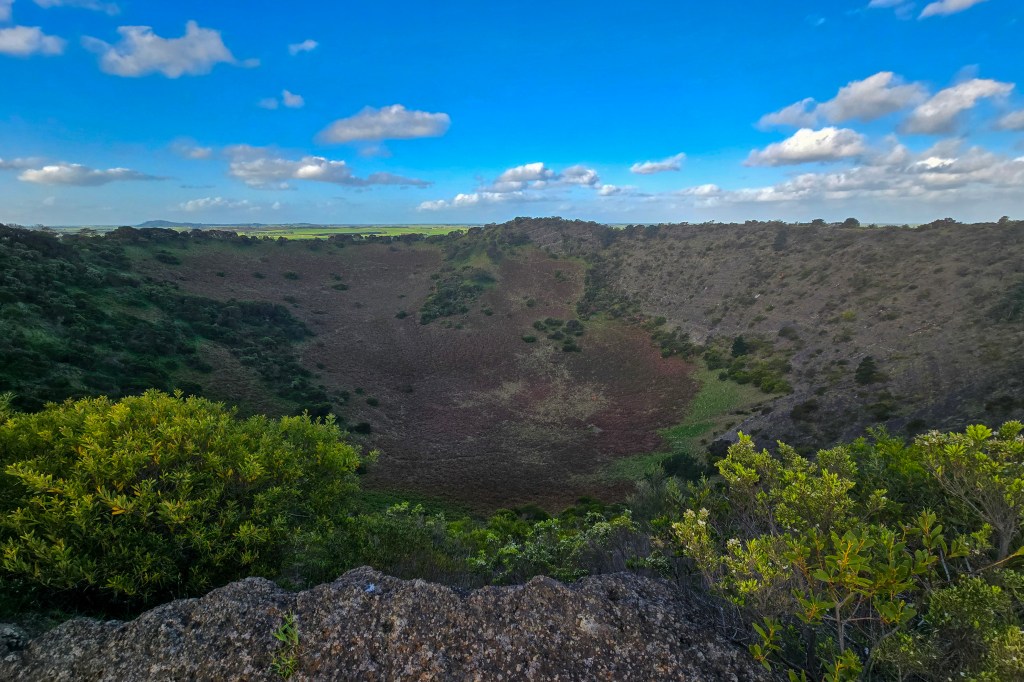
Views while hiking Mount Schank. (Image: Antonis Pagonis)
We couldn’t miss the Blue Lake, the stunning Little Blue Lake, and the hike to Mount Schank: a dormant volcano offering fantastic views.
We still ate, but it was less creative. I was excited to enjoy sushi train for lunch. For dinner, curiosity took over as we visited a McDonald’s. A heads up: they don’t clean the tables much.
Day five
We definitely weren’t going to finish the trip with McDonald’s.
Before driving back to Adelaide, we stopped at ScRoll Queen, arguably Mount Gambier’s biggest bakery, which specialises in scrolls. It’s like a Bakers Delight, but only scrolls, and better.
Upon entry, you get that fresh dough smell and see a versatile selection with sweet and savoury options. I was going to buy three scrolls, but this place is so unique to Mount Gambier — and the state — that you get what you can because you don’t know when you’re back.
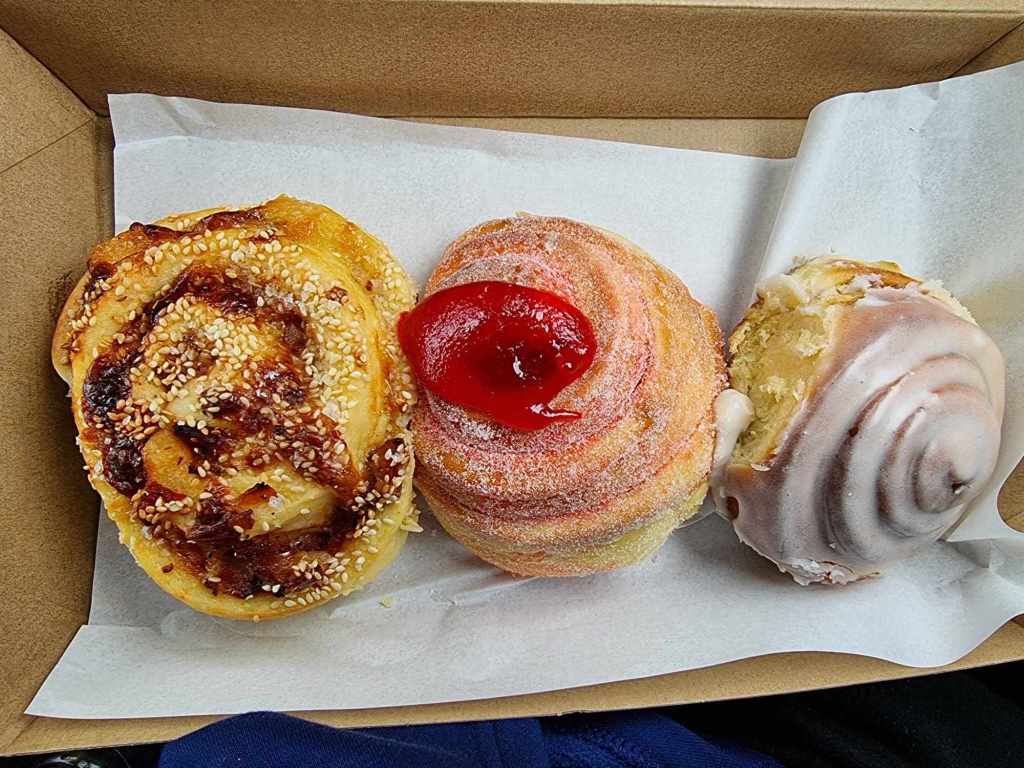
A selection of the scrolls from ScRoll Queen. (Image: Antonis Pagonis)
Pagonis’ excitement and the positive coverage of ScRoll Queen I had read online meant I knew we would eat some exquisite scrolls. They have the original bakery we visited and a café version in the city’s centre, perfect for a coffee or grabbing a breakfast scroll.
I bought two vanilla and custard, one Oreo cookie, and one cinnamon scroll. The custard oozes out from the vanilla scroll. The Oreo scroll has chocolaty bits infused in the dough, with an Oreo in the middle. The sweetness of the cinnamon scroll is perfect and balanced.
We sat outside the bakery and enjoyed a couple of scrolls before starting the almost five-hour trip back. To savour a final taste of the Limestone Coast, I had my third scroll in Keith and the last one when I arrived home. While some freshness was lost, they were still of the highest quality.
 ontherecordunisa.com