
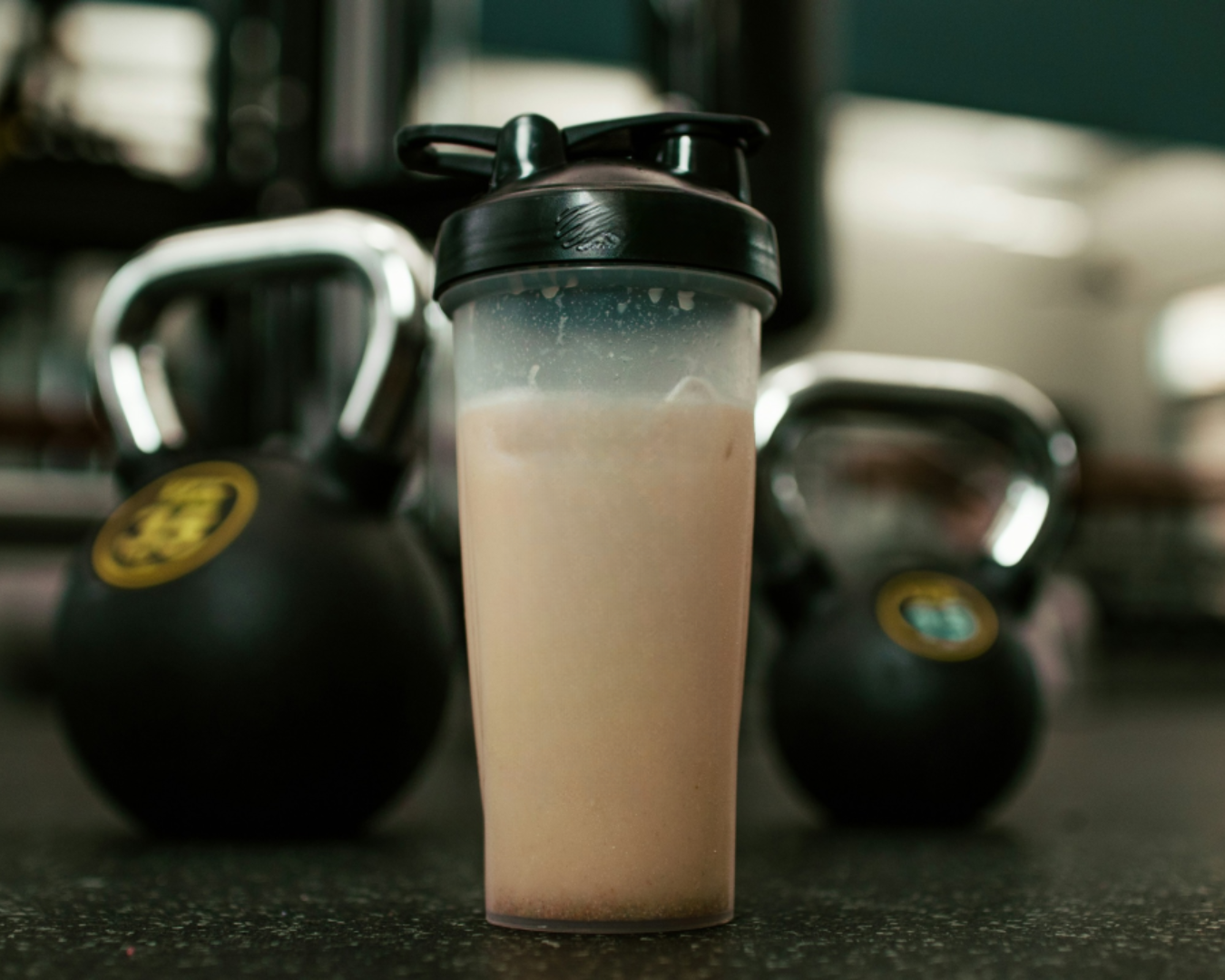
In a culture obsessed with muscle, macros and transformation, protein has become a lifestyle, while fibre remains the unglamorous nutrient nobody wants to talk about. (Image: drinkctrl)
By Constance Siasios | @constance.siasios
The supermarket aisle feels like a quiet competition no one explicitly agreed to enter. Rows of protein-labelled products stack themselves in soft whites and clinical blues: protein chips, protein yogurt, protein ice cream. Shoppers pause in front of shelves comparing nutrition labels as though the numbers reveal not just what to eat, but who to become.
In fitness culture, protein has evolved from nutrient to identity. While influencers and brands market high-protein lifestyles as the path to strength, health and discipline, nutrition experts say another nutrient essential to long-term health is being ignored: fibre.
Senior lecturer in nutrition at Adelaide University, Dr Alison Hill, believes protein culture has become excessive.
“Everything is protein; it’s promoted as something you need as a supplement, and the culture and the obsession on having sufficient protein, I think, is a little bit over the top,” she says.
Fibre doesn’t lend itself to before-and-after photos. Nobody films a “what I eat in a day” video for improved bowel regularity, and there are no viral gym selfies celebrating healthy digestion. While protein is marketed through abs, strength, and transformation, fibre remains tied to the less glamorous realities of gut health.
“Fibre in itself doesn’t have anything for your aesthetic,” Dr Hill says.
“If you think about fibre, primarily gut health is about faecal matter; it’s not exactly sexy or desirable.”
However, eating enough fibre and a vegetable-rich diet is just as sexy. Who doesn’t want better digestion, clear skin, and improved energy levels? While protein has become the star of wellness, fibre is the quiet achiever linked to everything from heart health and blood sugar control to longevity.
Even supermarkets physically separate the two nutrients. Protein powders dominate end-of-aisle displays and gym-themed refrigerators near the dairy section. Meanwhile, fibre supplements are tucked beside laxatives and digestive medications.
“You’ll often find fibre supplements in the medicinal section of the supermarket,” Dr Hill says.
While protein is sold as aspiration, fibre is sold as a treatment.
The commercial success of protein products reflects just how deeply that message has resonated with consumers. According to Nine News, in 2025, Woolworths, Coles and Aldi reported widespread shortages of high-protein yogurt due to a “triple-digit increase” in demand. Protein supplement sales have also surged globally. Global Market Insights reported the protein powder market in 2025 was valued at approximately $26.4 billion and is projected to grow to around $46.5 billion by 2035. That demand has been fuelled not only by food manufacturers but by social media creators who shape how audiences think about nutrition.
19-year-old Lily Vallelonga has over 50,000 followers across Instagram and TikTok, where she posts fashion, lifestyle, gym and fitness content. For creators immersed in online fitness spaces, protein has become almost unavoidable. Creators “do feel pressure to promote protein and leave fibre, vitamins and minerals on the side a lot,” she says.
Vallelonga first began noticing protein gaining traction in online fitness culture a couple of years ago when the weight-loss drugs like Ozempic and Mounjaro started becoming popular. She says people noticed that if they weren’t eating enough protein, they were losing not only body fat but also muscle.
On social media, protein no longer looks medicinal. Influencers blend chocolate protein powder into smoothies, bake high-protein brownies, and promote vanilla or pistachio-flavoured shakes like dessert hacks rather than supplements. Health becomes packaged as indulgence without guilt.
“I think because it’s delicious, like you can have chocolate, salted caramel, vanilla, pistachio, so people who can’t eat healthy and are still trying to eat healthier may think because it’s protein powder, then it’s a good choice,” Vallelonga says. But the way protein is marketed online can sometimes blur the line between genuine nutrition advice and aspirational content.
Many influencers frame protein as the secret behind dramatic physical transformations while leaving out more controversial methods. Vallelonga says many fitness influencers on social media present unrealistic body standards.
“Behind the scenes, they’re probably on some medication like weight-loss drugs, peptides or steroids, but they just aren’t saying that and instead they promote protein and working out,” she says.
Vallelonga says if an influencer shares that they take enhancement drugs, they will “get talked about online”, but by talking about protein intake and weight training, then they’re “not seen as the bad guy creating unrealistic standards.” It seems as though it is a double-edged sword for some. Vallelonga recognises the responsibility and influence online creators hold over their audiences.
“It’s very harming to give your audience the wrong idea, especially for younger teenagers on social media,” she says.
On TikTok, short-form lifestyle content such as “what I eat in a day” videos, gym routines and protein snack recommendations tend to generate the strongest engagement. Longer recipe videos or nutrition explainers often struggle to compete against highly aesthetic, fast-paced content designed for algorithm-driven scrolling. With a predominantly female audience, Vallelonga says short-form fitness and lifestyle content consistently performs best on her platform. She also points to a broader shift in how audiences access information about health and nutrition.
“So many people go straight to TikTok, Instagram or their favourite influencers to search things up instead of Google or articles,” Vallelonga says.
For many young people starting out in the gym, social media content becomes an entry point into learning about nutrition. 21-year-old protein lover and avid gym-goer, Harry Liakos, first heard of everything protein when he started going to the gym two or three years ago. Liakos originally heard about the importance of protein on TikTok and then continued his research on Google.
In Liakos’ bedroom, tubs of cookies-and-cream and strawberry-flavoured protein powders sit lined up in sight, like part of the décor. Liakos now tracks meals, calories, and macros through apps designed around measurable progress. Breakfast, lunch, dinner and snacks are regimented and planned around protein. For example, after the gym, lunch consists of tuna, rice, lettuce, corn and tomato sauce.
“For my weight, I need about 180 grams of protein a day, so I pretty much plan my meals to make sure I get that amount,” he says.
The appeal of protein culture is not simply imagined. Once Liakos began tracking his calories, prioritising protein, and tracking workouts, “is when [he] saw a massive change in [himself] and [his] body.” However, despite carefully tracking protein, Liakos admits he does not pay much attention to fibre intake. Despite the cultural obsession surrounding protein, Dr Hill says deficiency is rare among Australians.
“For most of the Australian population, pretty much no one has inadequate protein intake … protein is not one of the nutrients that we are lacking in,” she says.
According to the Australian Bureau of Statistics, 98.5 per cent of the population had an adequate protein intake. Dr Hill says more strategic fuelling requirements exist for elite athletes, who need protein for recovery and muscle building, but for people who go to the gym two or three times a week, they’re getting enough protein from the diet that’s already being consumed.
The consequences of low fibre intake extend beyond digestion. Dr Hill says low fibre consumption can increase the risk of bowel cancer, constipation and haemorrhoids by slowing the movement of waste and potential carcinogens through the bowel. She says fibre also supports gut microbiome health, an area that has gained increasing attention online through discussions about the gut-to-brain connection. “Fibre is such a big part of that,” she says.
Dr Hill says most Australians fail to meet the recommended fibre intake because foods rich in fibre, such as fruits, vegetables and whole grains, are often under-consumed.
“Comparatively, we’re doing a lot better in meeting our protein requirements than we are in our in our fibre ones,” Dr Hill says.
The gap between nutritional need and consumer demand is perhaps most visible in the booming market for protein supplements. Dr Hill says protein powders may help increase protein intake, but they do not offer the same nutritional profile as whole foods. For instance, red meat is high in protein but also contains iron, zinc and B vitamins. She says although isolated proteins are not necessarily bad, relying on them too heavily may replace foods that contain other essential nutrients.
As protein culture continues to grow online, credibility is often tied to appearance rather than qualifications. Lean physiques, gym selfies, and transformation videos can blur the line between influence and expertise.
“They look attractive, and so they must know what they’re talking about,” Dr Hill says.
“I think there needs to be more ‘doing your homework’ when it comes to some of these things.”
Creators themselves are often aware of this tension between influence and expertise. Vallelonga says she supports the promotion of protein supplements as she loves lifting weights at the gym and increasing her muscle mass. She says whey protein is something she personally enjoys and incorporates into her lifestyle but acknowledges that she is not a qualified health professional.
“If I’m doing a cooking or food video, I’ll try and incorporate something with fibre in it like berries or chia seeds with overnight oats,” Vallelonga says.
Protein culture is unlikely to disappear anytime soon. As social media continues to reward visible transformations, high-protein products will remain easy to market and easy to sell. The next wave of fitness trends may bring new superfoods, supplements, or diets, but nutrition experts argue the fundamentals are unlikely to change. Long-term health will depend on a balanced diet rich in whole foods, not just a single nutrient elevated to celebrity status.
Perhaps the challenge for the future is not convincing Australians to eat less protein but encouraging a broader conversation about what health actually looks like. If fibre, gut health and overall nutrition can become as culturally desirable as protein shakes and muscle gains, the fitness industry may finally begin prioritising health over hype. Until then, the nation’s shopping trolleys may continue telling a story of abundance in protein but a shortage of perspective.